02 The Numbers Guide a Dance,
2025-26
In 2025–26, I continued this methodology of the work Mine, Yours, Ours using the same nine chapters of life. This time, however, I worked with the participants in a group setting.
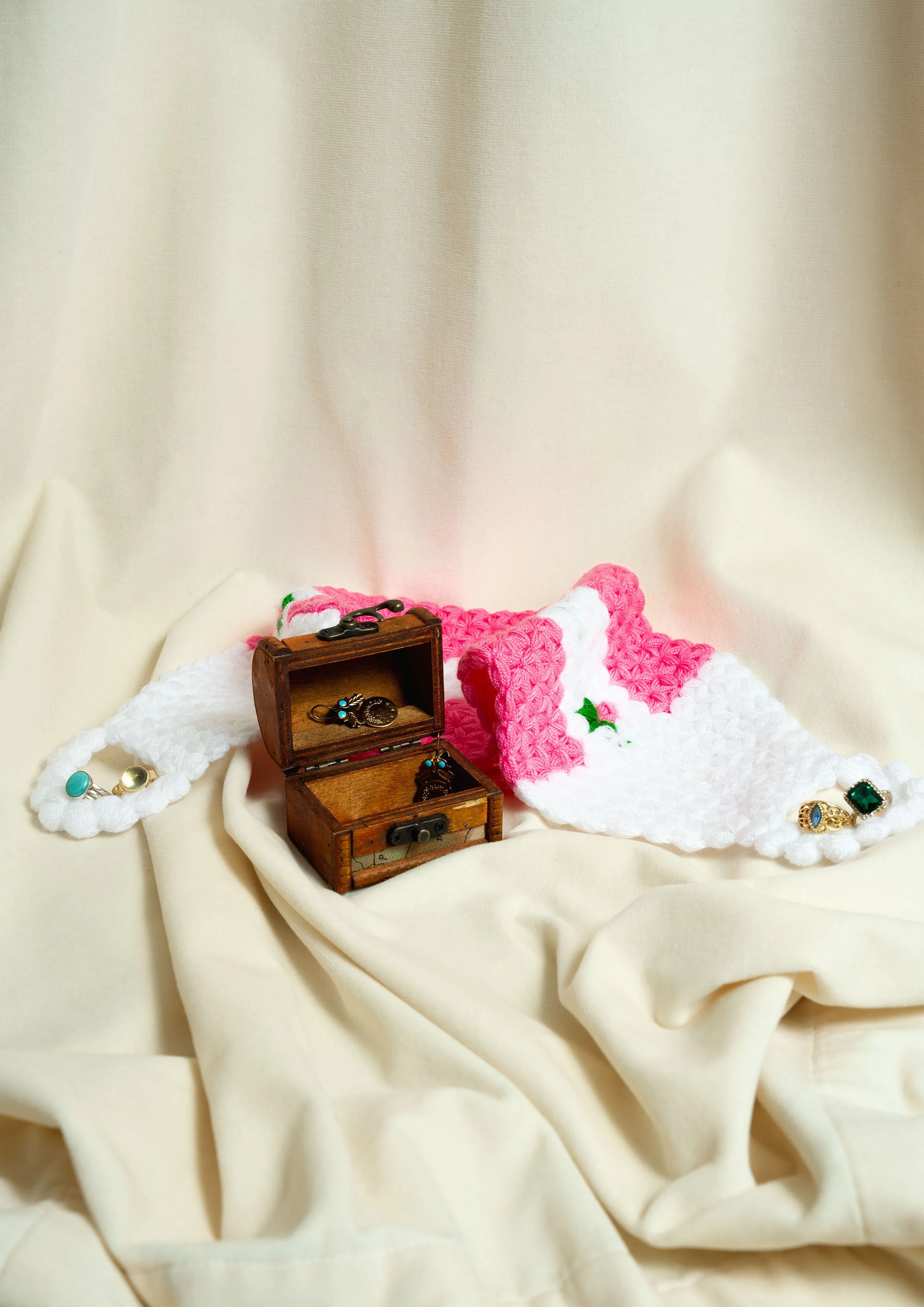
The Numbers Guide a Dance is a biographical and narrative work rooted in the logotherapy developed by Viktor Frankl, which understands human life as a continuous search for meaning. In this context, memories are not closed chapters of the past but living processes: they shift, overlap, and reemerge. Logotherapy works with language and conscious formulation. This approach is translated into photography, developing a visual form of remembering. The photographs were created in close collaboration with the participants, whose memories form the starting point of each work. The group consists of women with migration experiences living in Berlin. Here, memory proves to be particularly multifaceted. It is often tied to places that are no longer accessible, to shifting languages, embodied knowledge, and family narratives.
Memories are carried forward, shifted, and renegotiated. This collective engagement adds depth to the work and shows how remembering can be both deeply individual and connecting. The participants are not merely portrayed subjects but active co-creators of the entire process. They speak about formative moments, losses, transitions, and hopes. Together, we approach these memories gently, exploring, organising, and searching for images that give space to both what is said and what remains unspoken. This process is structured into nine life chapters, from childhood to death and the traces we leave behind. At its core is the question of how memories can become visible in images and what role photography can play as a mindful, almost therapeutic medium.
The series consists of 14 framed photographs.
Funded by Fasselt Stiftung in Germany.
Collaboration partners: sozial.label e.V. and NHU Kreuzberg
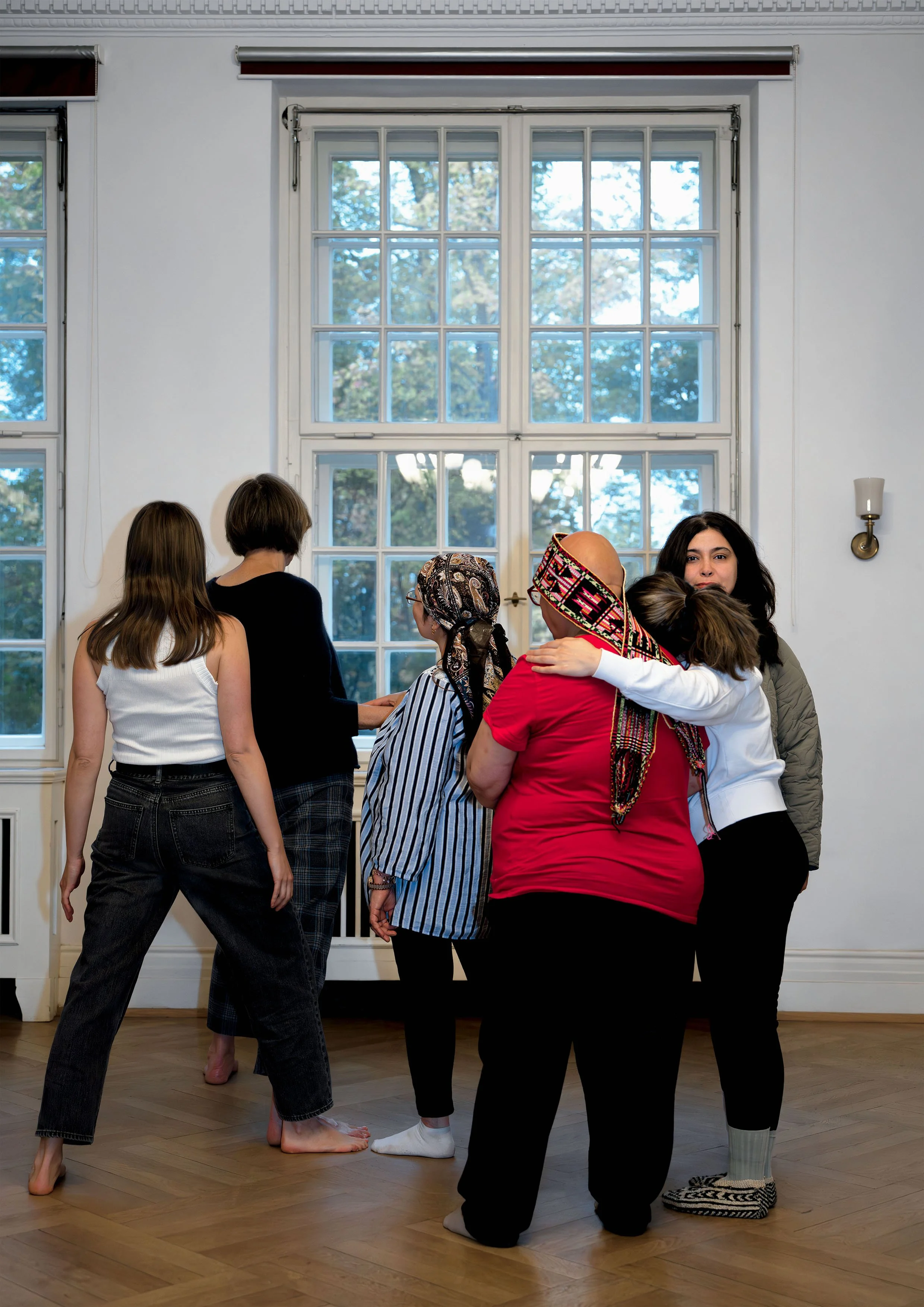
Parents
This was our very first session discussing the chapter „My Parents“. In response to the topic and reflecting on the different experiences, we decided on a human sculpture that symbolizes the varied human connections and interactions. Fragile, supportive touches are present, but there is also a sense of being pushed to the background or oppressed within the community. The image aims to convey strength and mutual support.
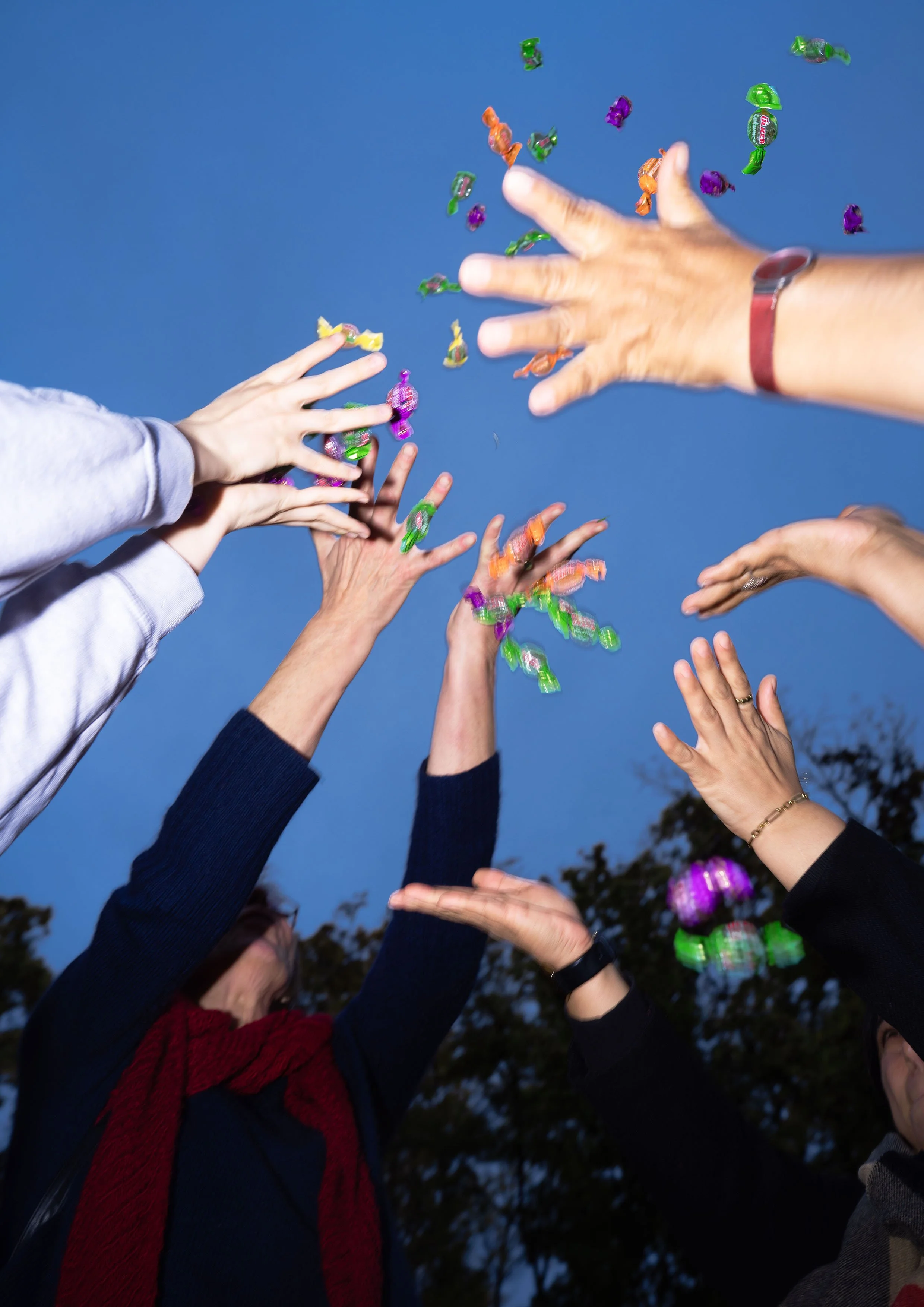
Childhood
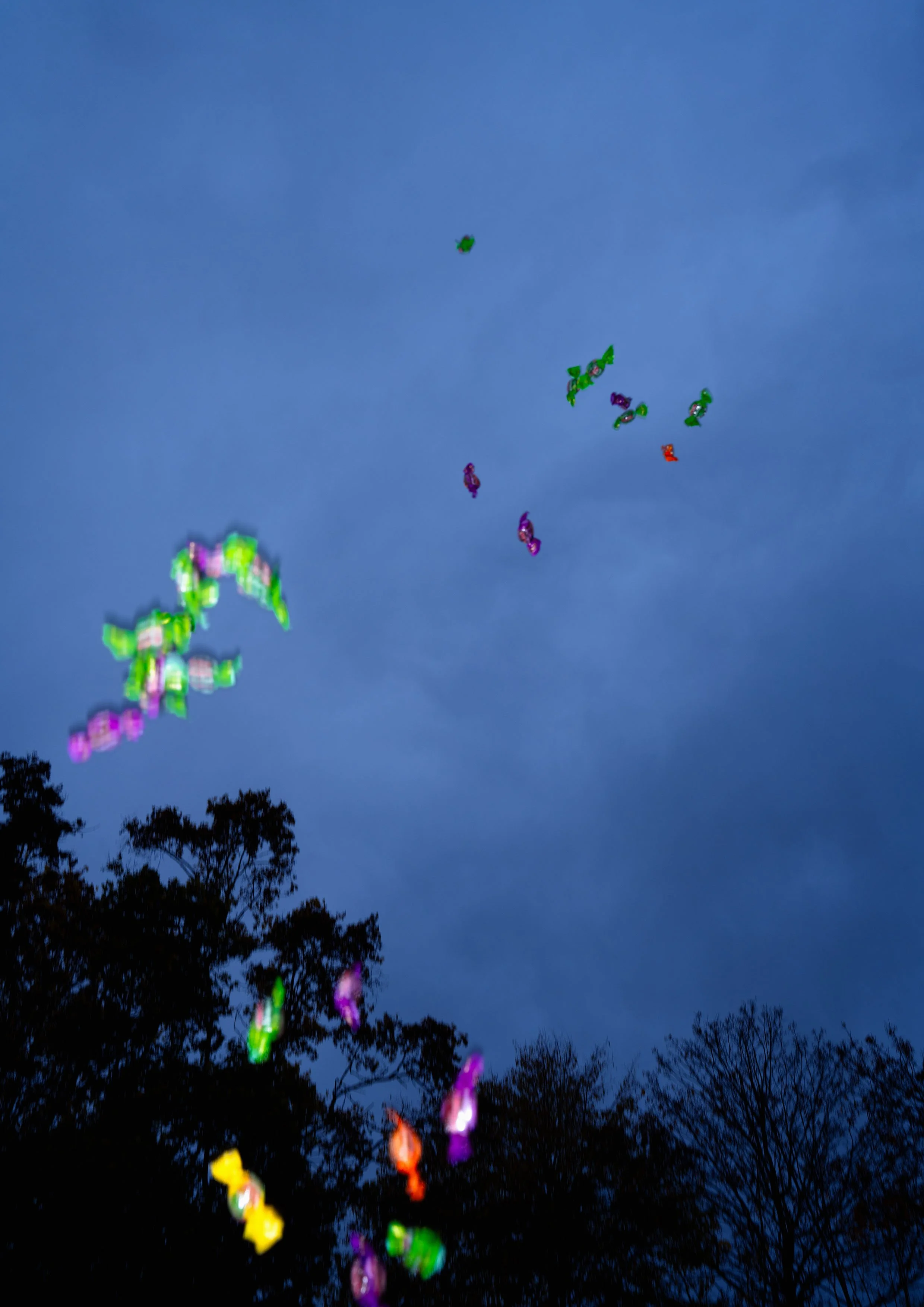
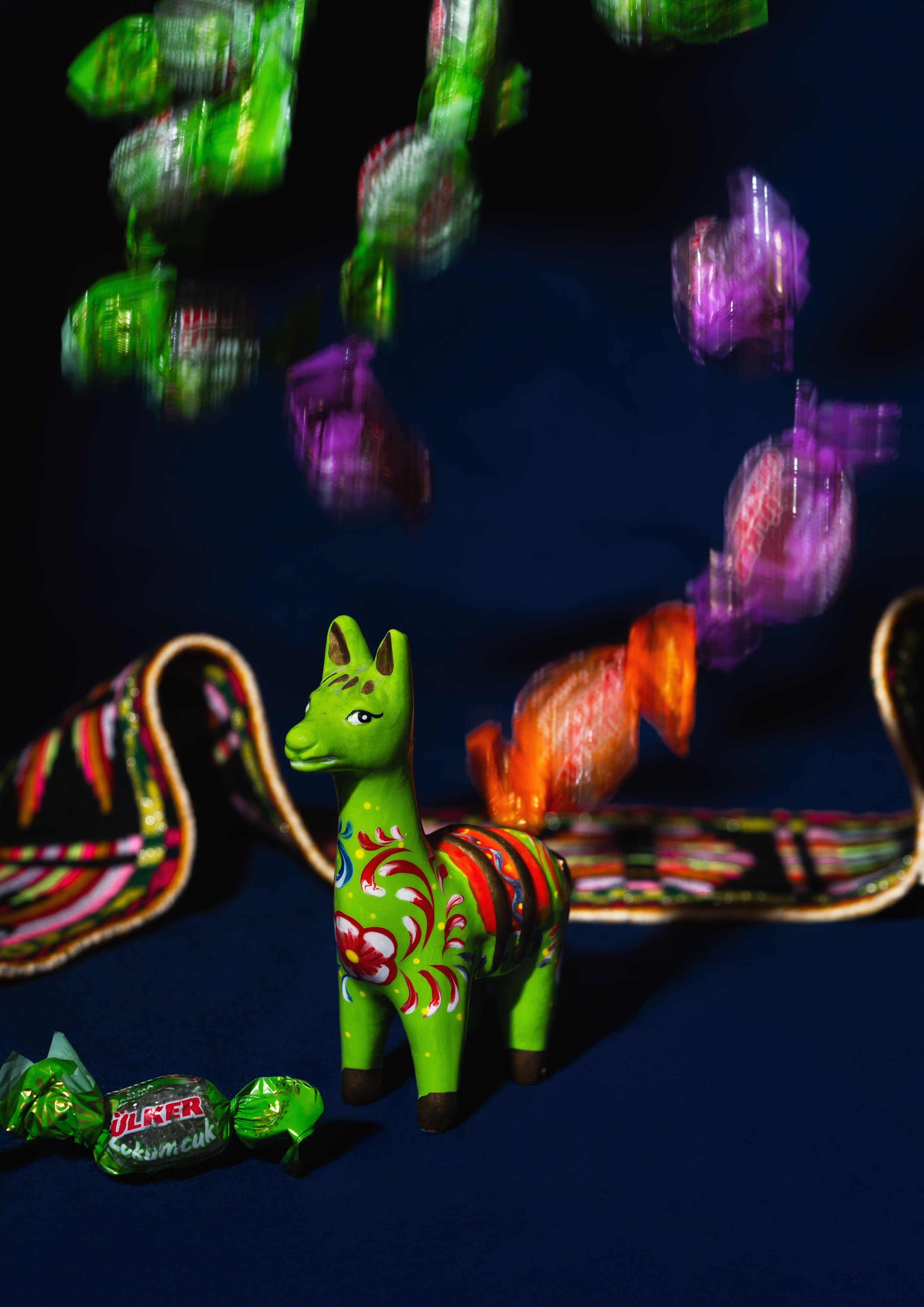
In the chapter of childhood, the sense of childlike freedom became apparent, despite the difficulties of family circumstances, the political climate, and the constant danger. Many look back with nostalgia at traditions, community life, and games, recalling how they spent afternoons outdoors with playmates, free of restraints. This continuous movement, joy, the pleasure of play, and the strength of community are reflected in our photographs.
School Years
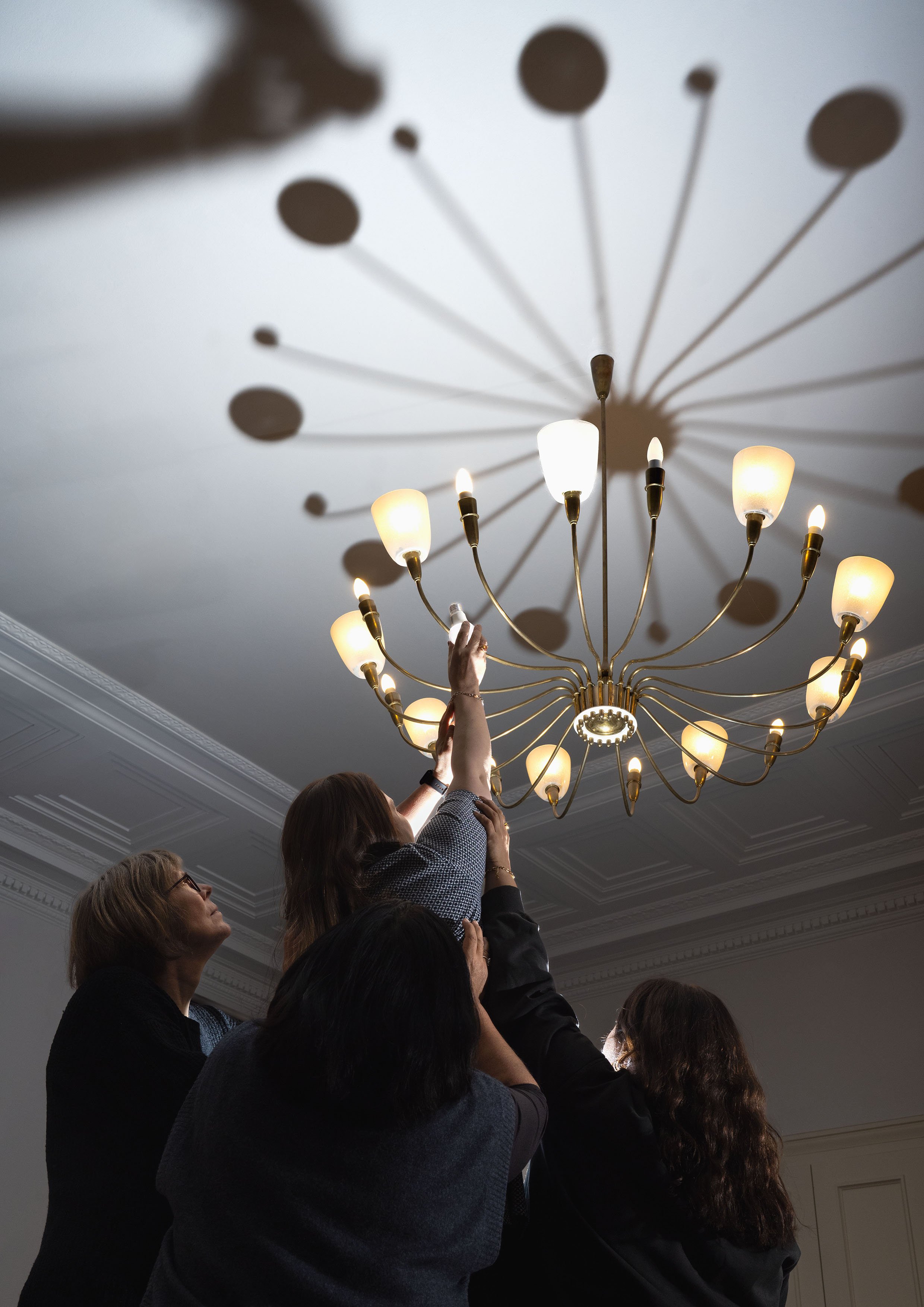
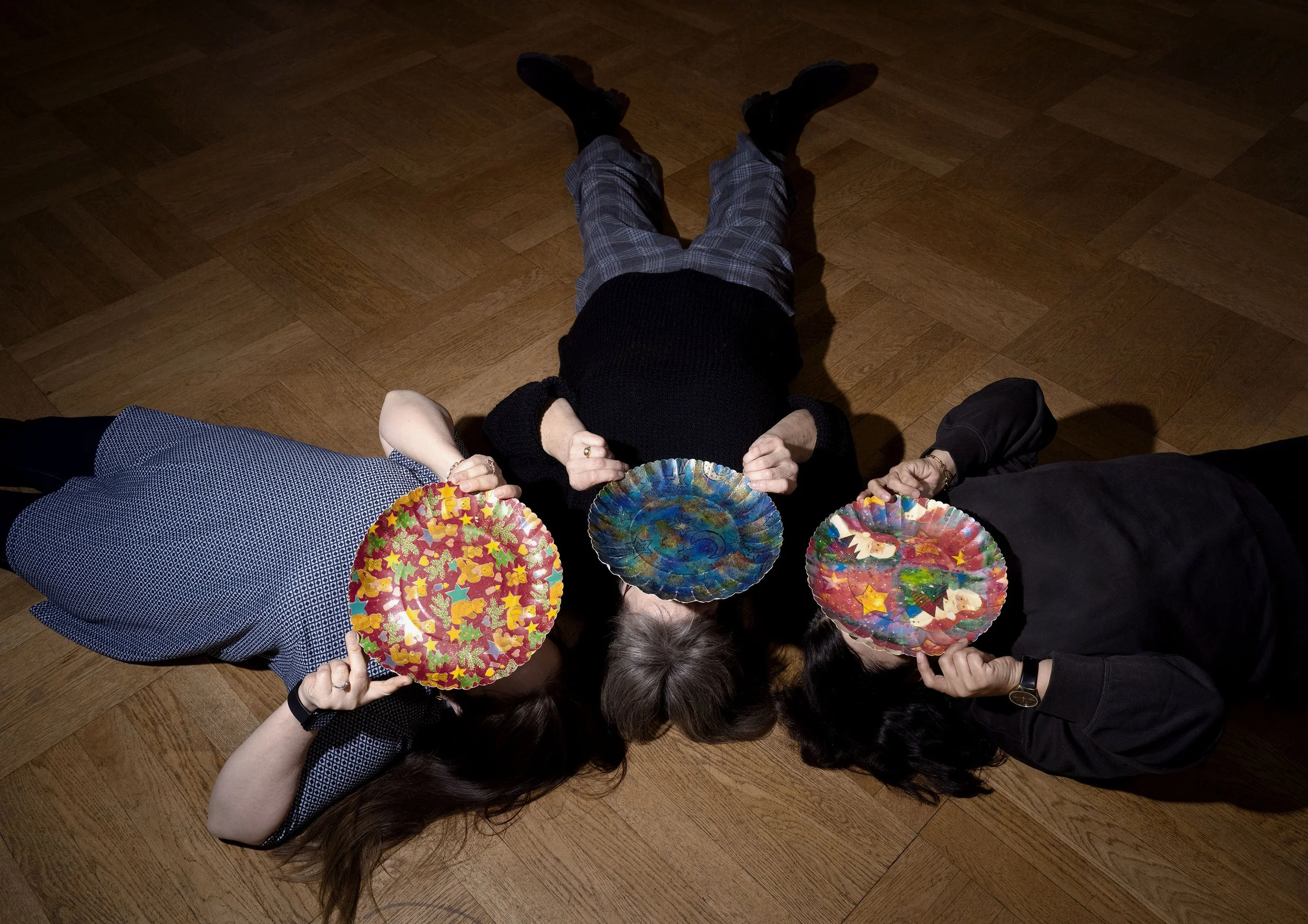
During the school years, difficulties began to appear. They started to understand their own lives, situations, dangers, threats, duties, and unwanted family arrangements. At the same time, they were still children, yet expected to behave as adults. Some got married, some chose solitude, while others were held together by family cohesion and, gradually understanding their own bodies and minds, could come of age.
We want to offer each other, and ourselves, the incredible strength, sense of community, and support that women are capable of offering one another. We are able to do this now, but many live in isolation and are unable or not allowed to ask for help.
Adulthood
What is growing up and being an adult about? It is about challenges, trials, and responding to one situation after another. But it is also about the kind of people we become, whether we can hold on to our childlike selves, our attentiveness, our capacity for love, and our playfulness as we move through the world.
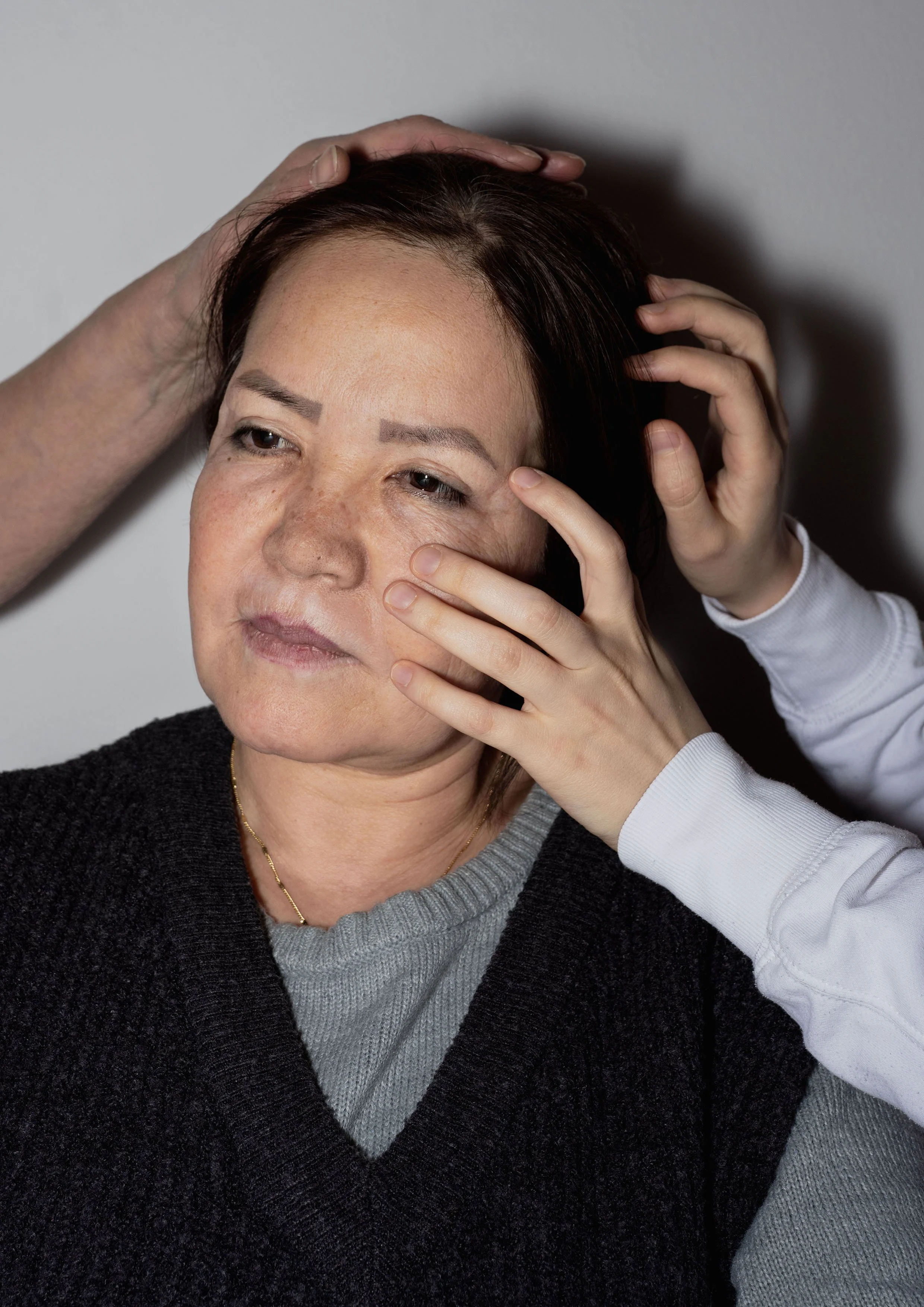
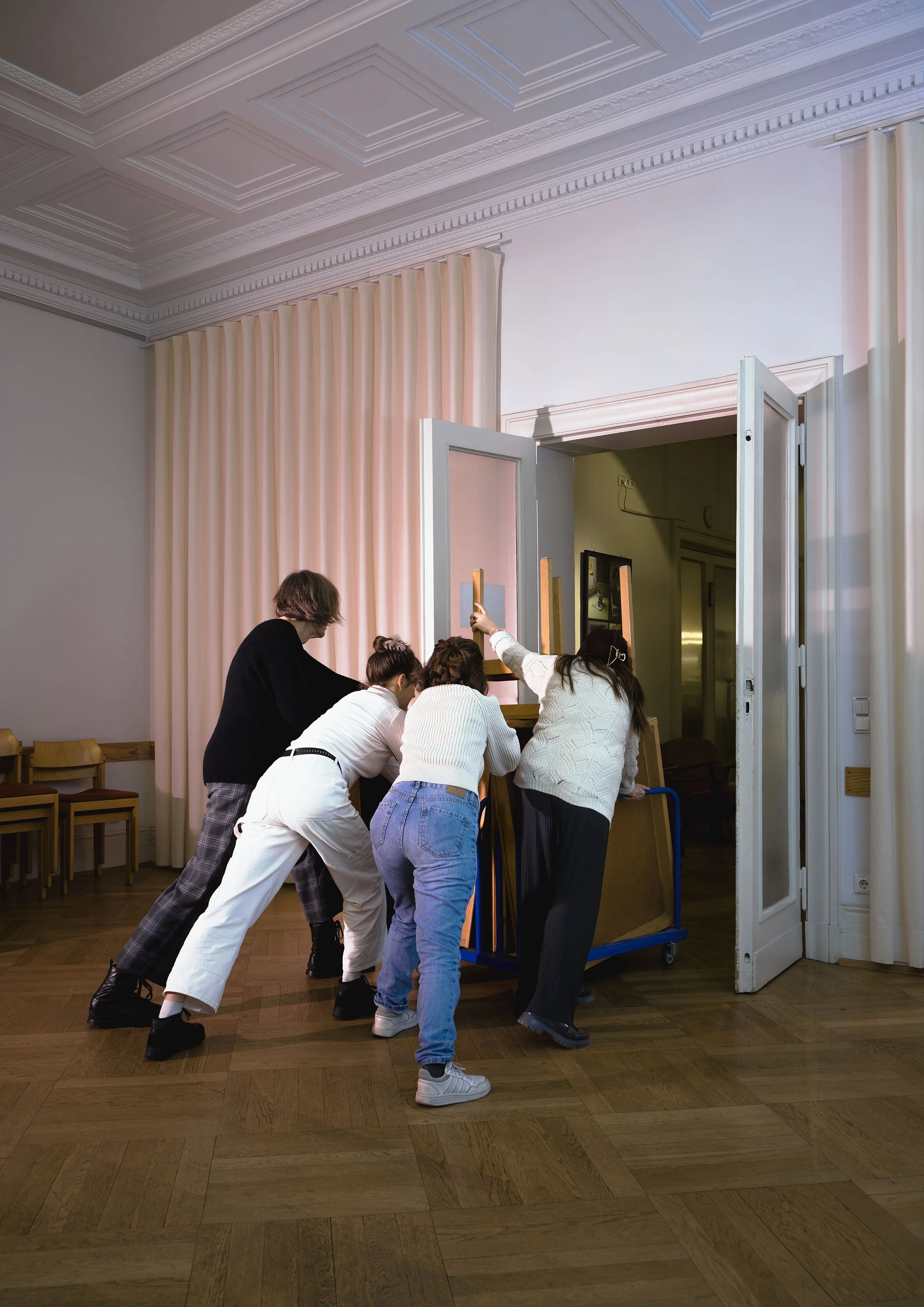
Present
Reflecting on our present, certain experiences, thoughts, and feelings from the past take their place. Some are able to set down their burdens and, feeling relieved, embark on something new, whether it is a new home, a new country, a new job, or a new idea that has matured. Mindfully living the present is a reflective state that carries the possibility of growth and change.
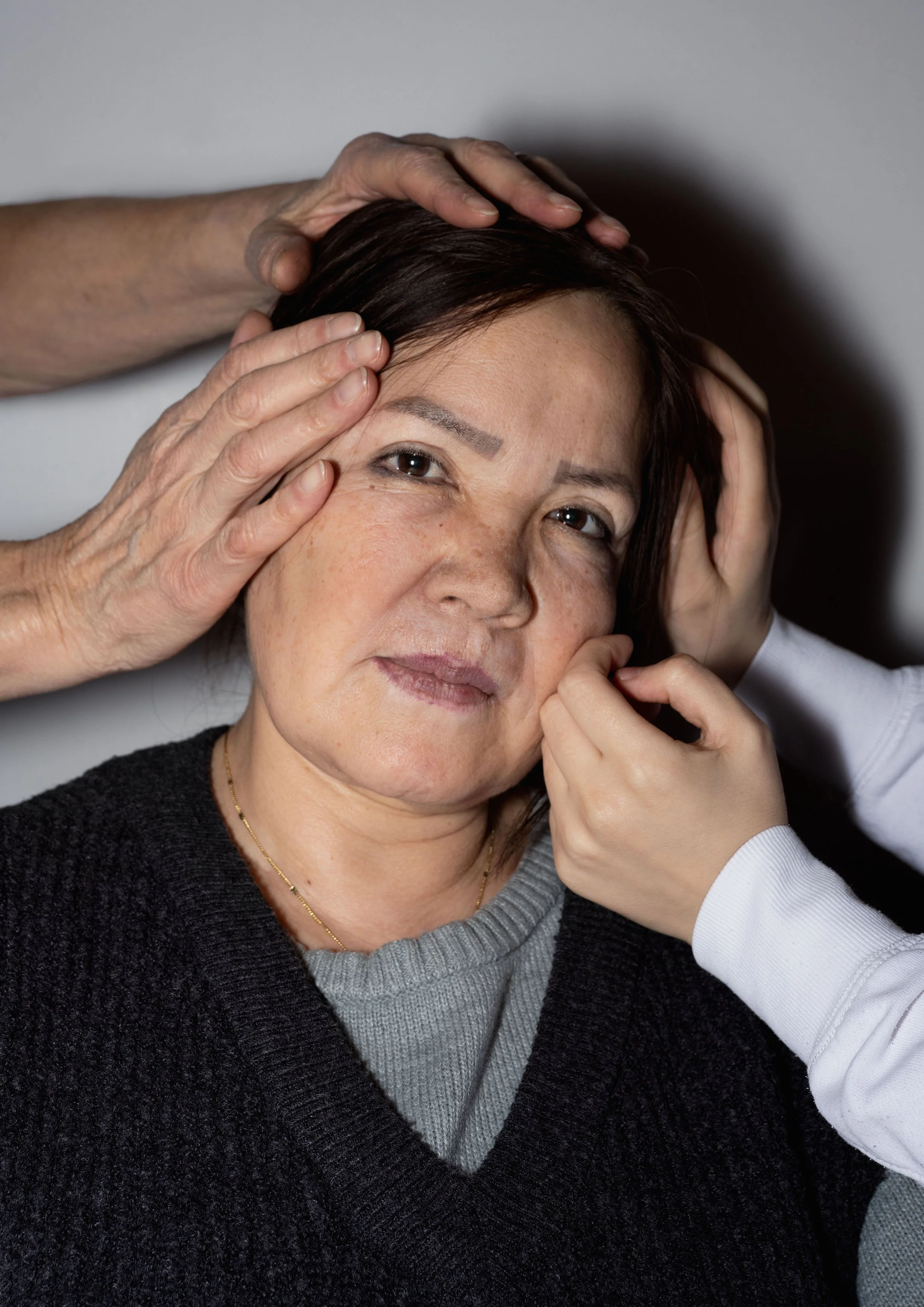
Near Future
The near future is about concrete plans that already live within us and emerge as active intentions. Some wish to return to their hometowns, while others want to build a new home, work, or start a family. Some engage more actively and loudly in shaping the future, while others focus more on seeking their inner peace. Above all, it is about taking action.
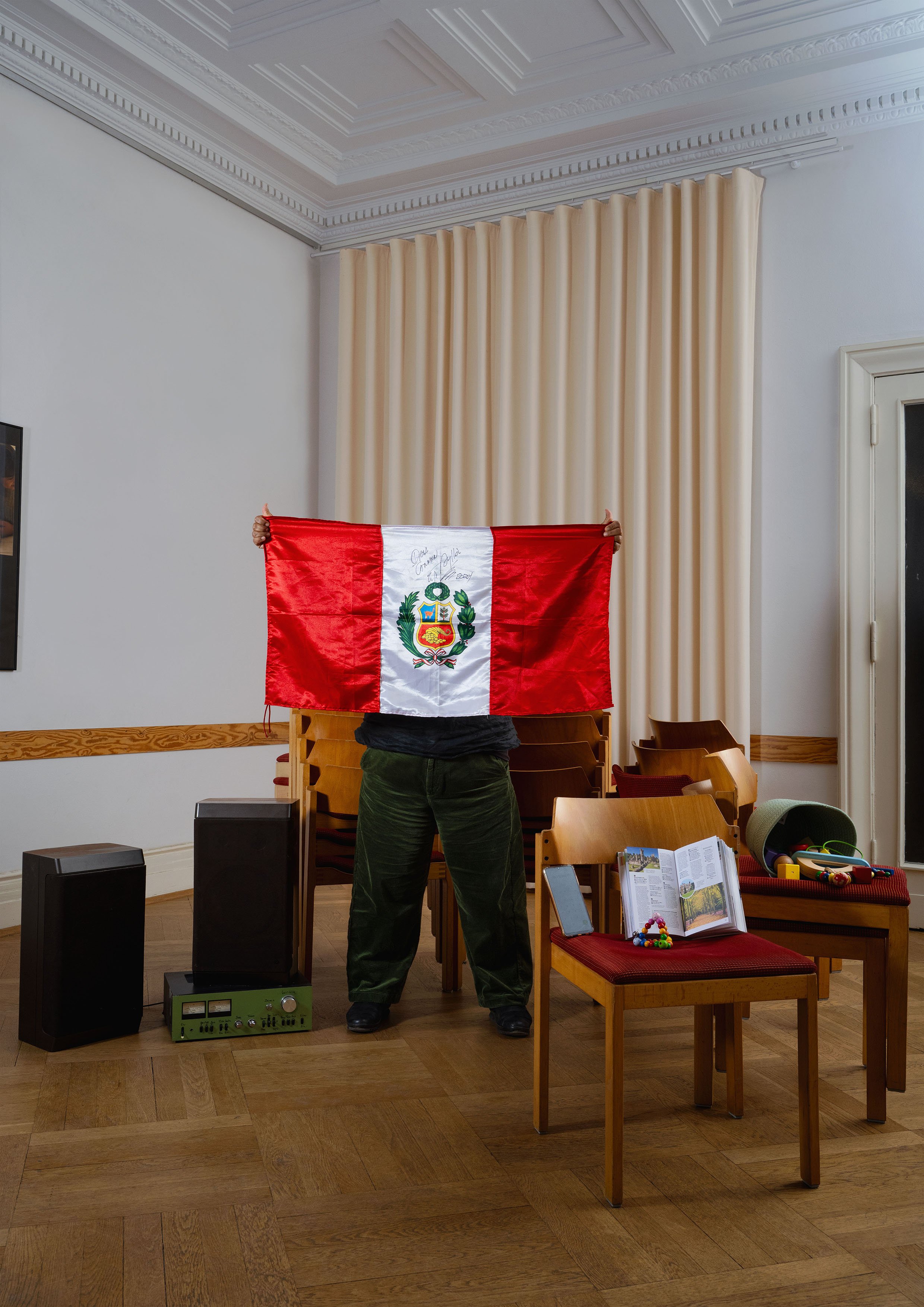
Distant Future
The distant future is much more about desires and goals to be achieved. Let us remain human, attentive to one another, yet still able to turn dreams into action: perhaps opening our own restaurant, working, studying, growing, and supporting each other.
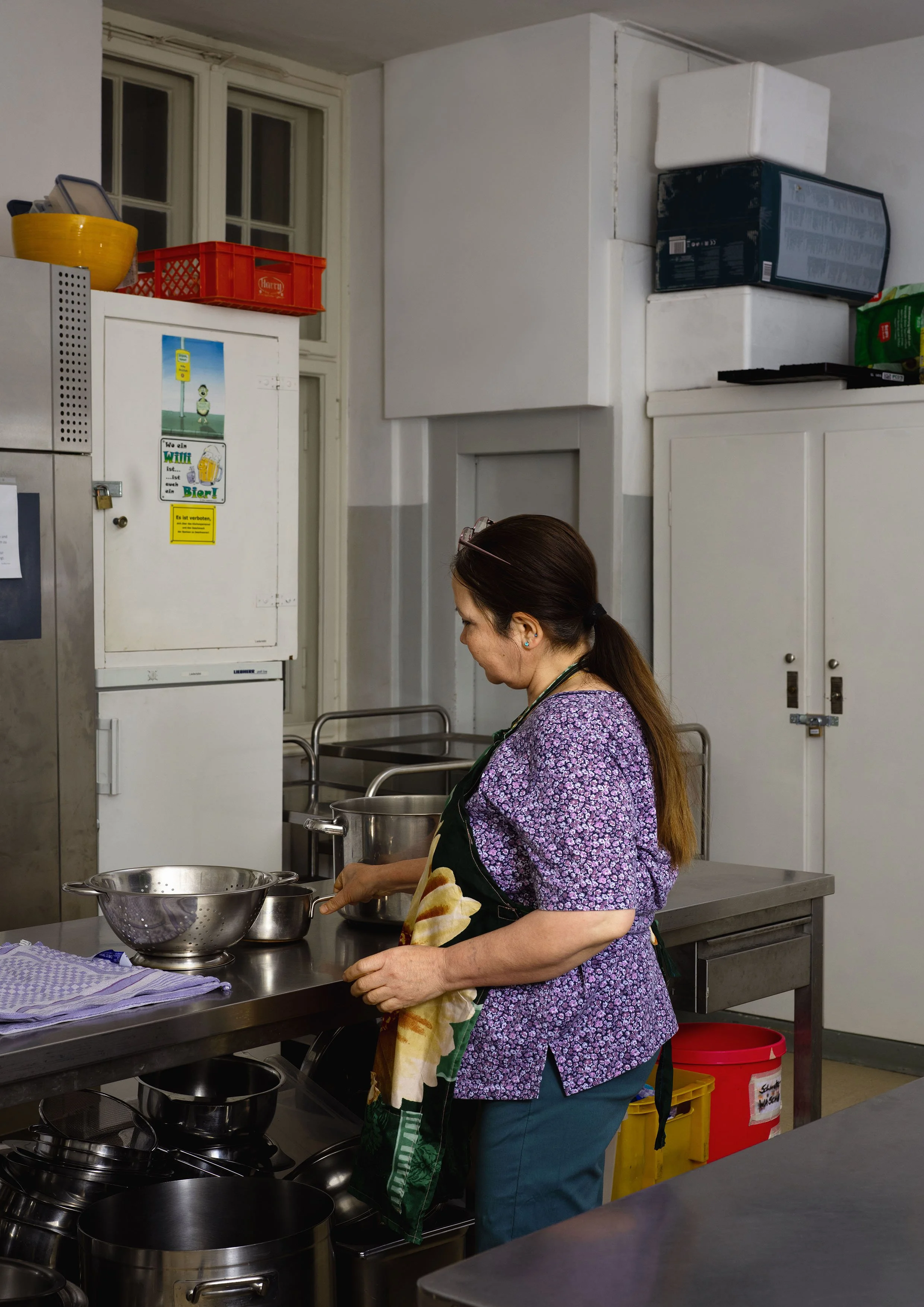
Death
The topic of death is frightening at first, yet the conversation still made us laugh. We are human, and everyone must face mortality at some point. It is terrifying because it is unknown, but it is something we can share with others. Colour, tradition, certain symbols and a simple touch give strength and courage.
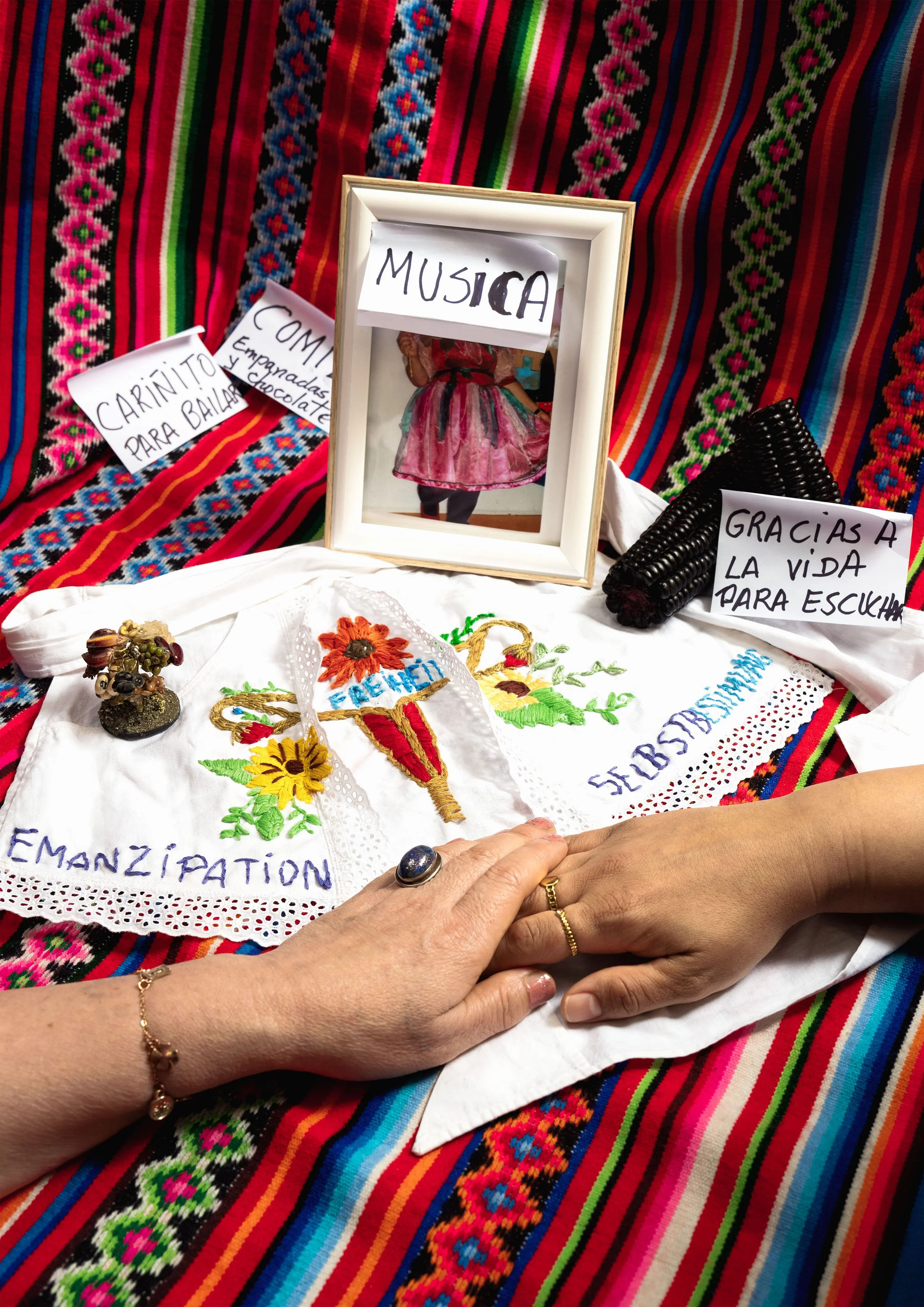
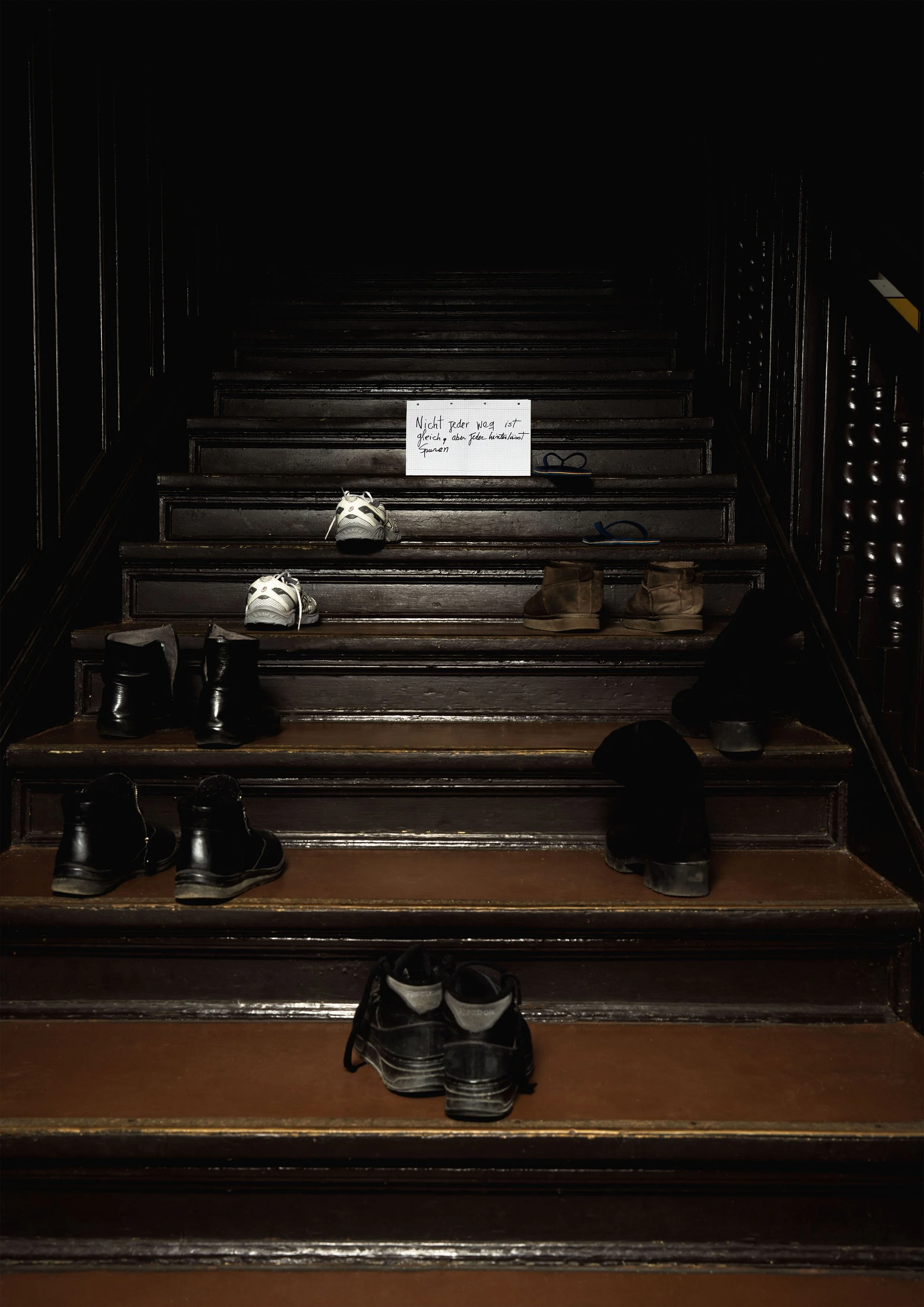
Traces
What happens after death? Do we leave a mark on the world or on others? If so, what kind of mark, and how long does it remain active? Does it vanish immediately, or does it persist for decades? Does it live on in our children, our loved ones, our friends, or in a simple brief interaction on the street? Everyone leaves a mark, the question is what kind.