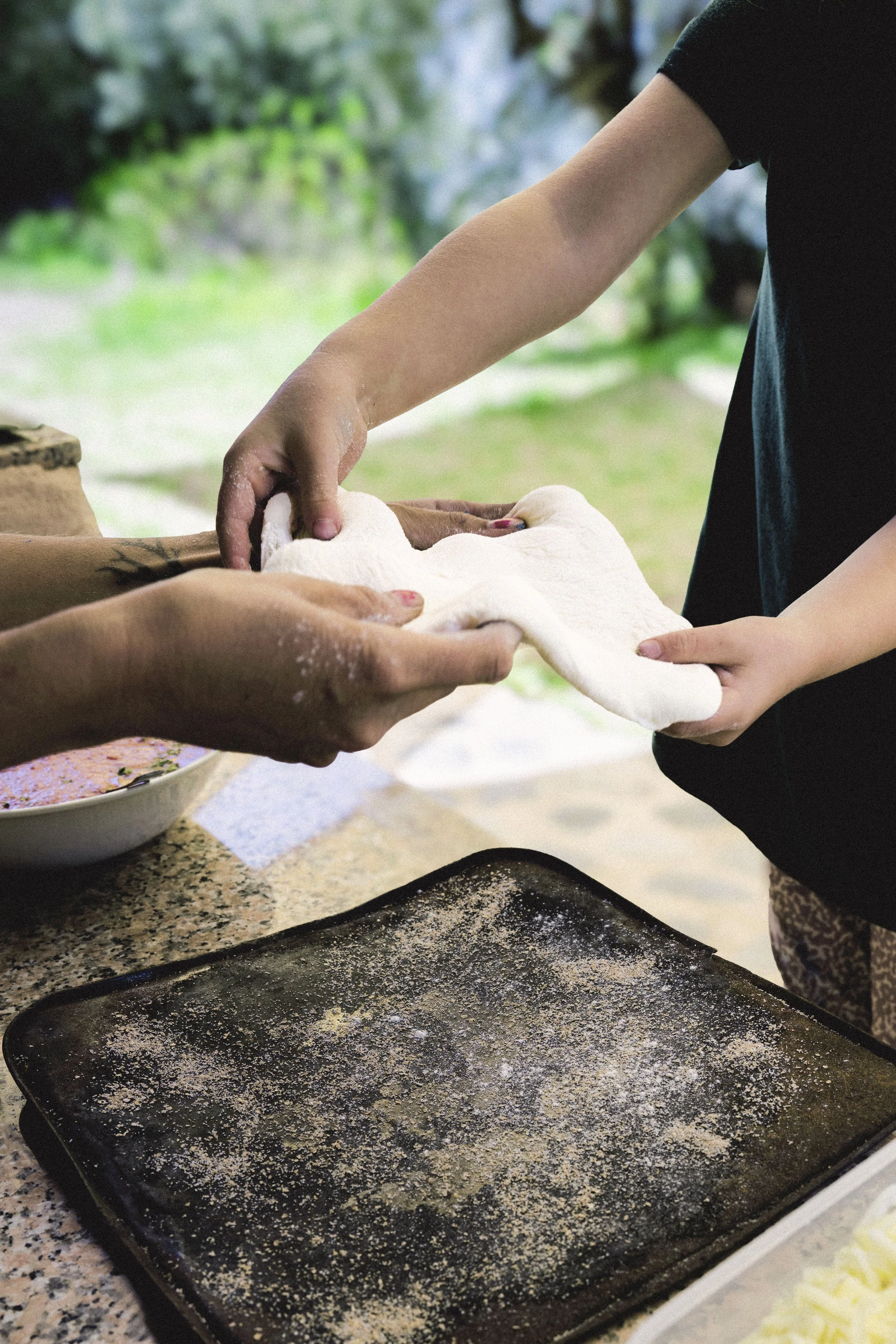
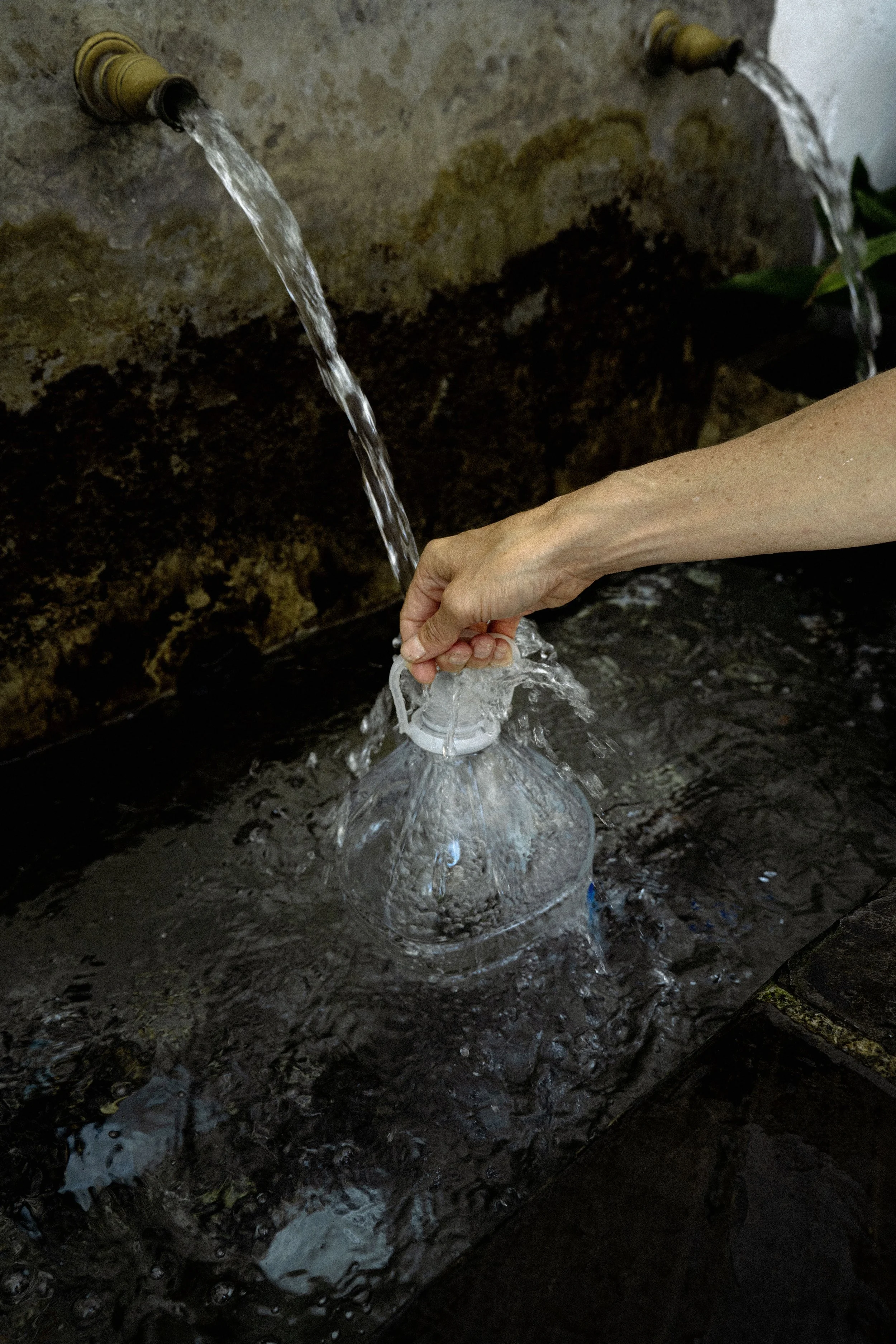
03 I knead my flour with spring
water and it becomes dough,
2025-26
At a time when ecological and social issues are reshaping our understanding of coexistence, the question arises as to what forms of connection, responsibility, and care can create shared spaces. Humans, the environment, and other forms of life are not separate realms, but exist in complex relationships with one another, continuously influencing each other. Ecofeminism offers an important perspective by making visible the interconnections between the exploitation of nature, social inequalities, and hierarchical power structures, while also opening up possibilities for alternative forms of coexistence, cooperation, and care.
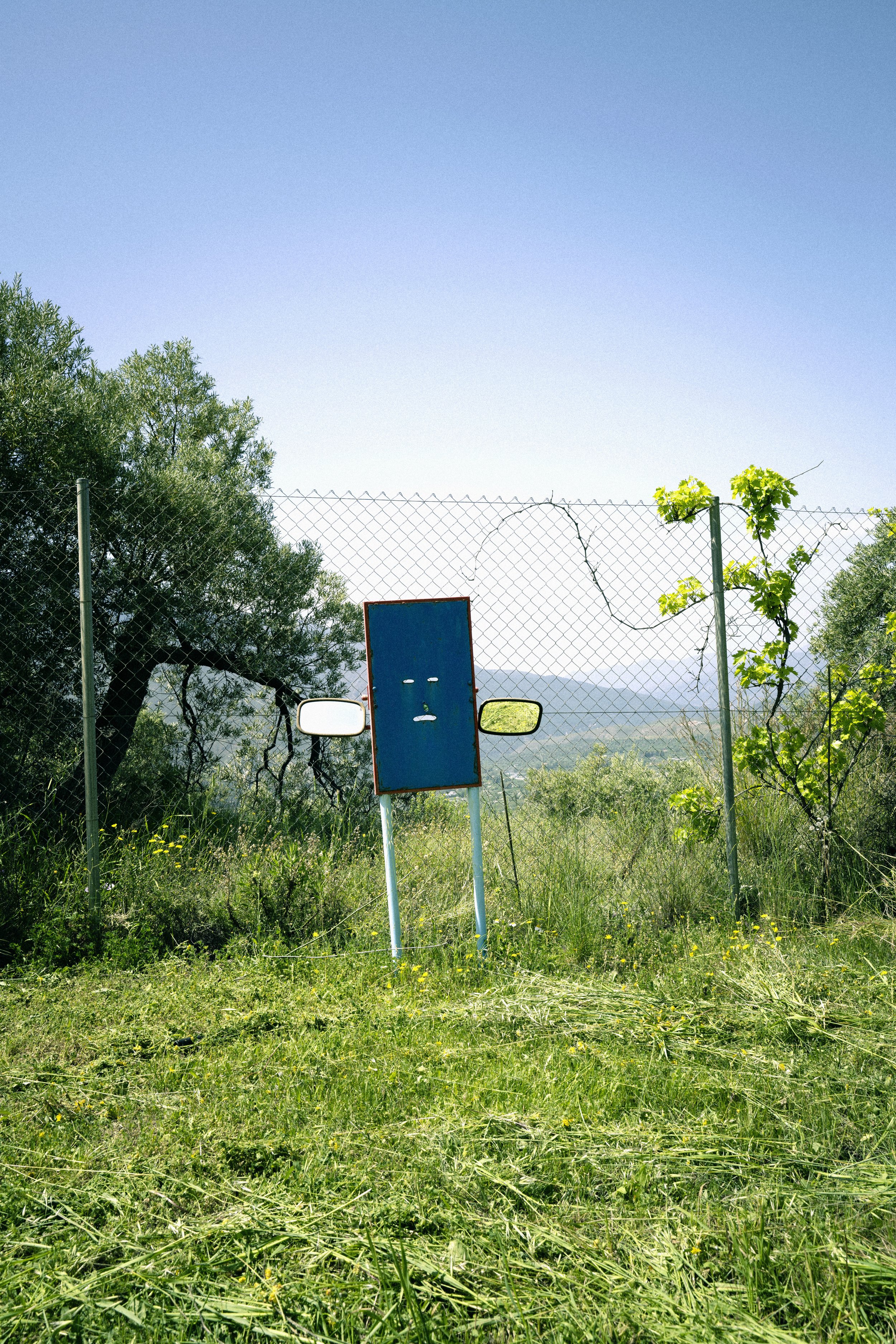
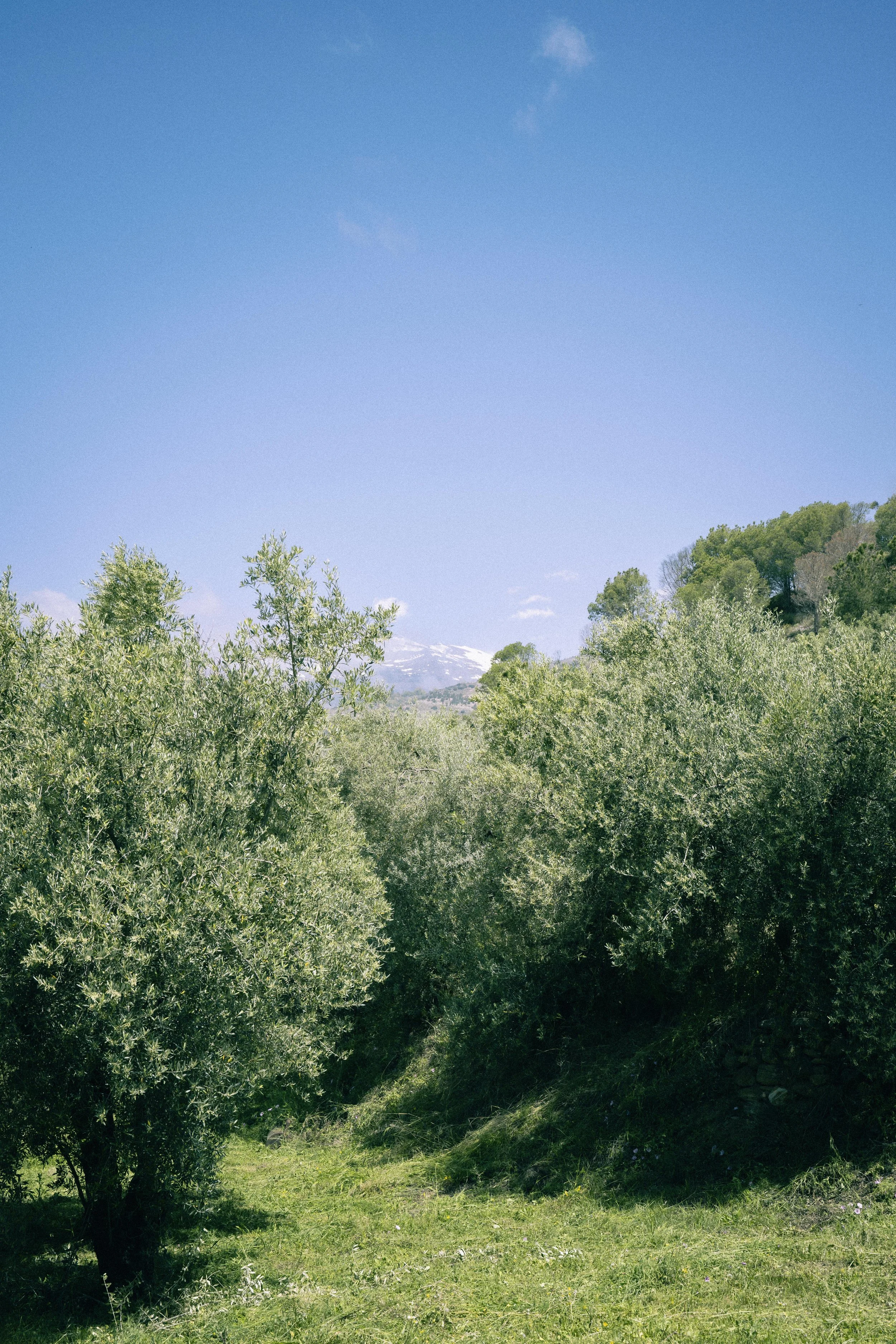
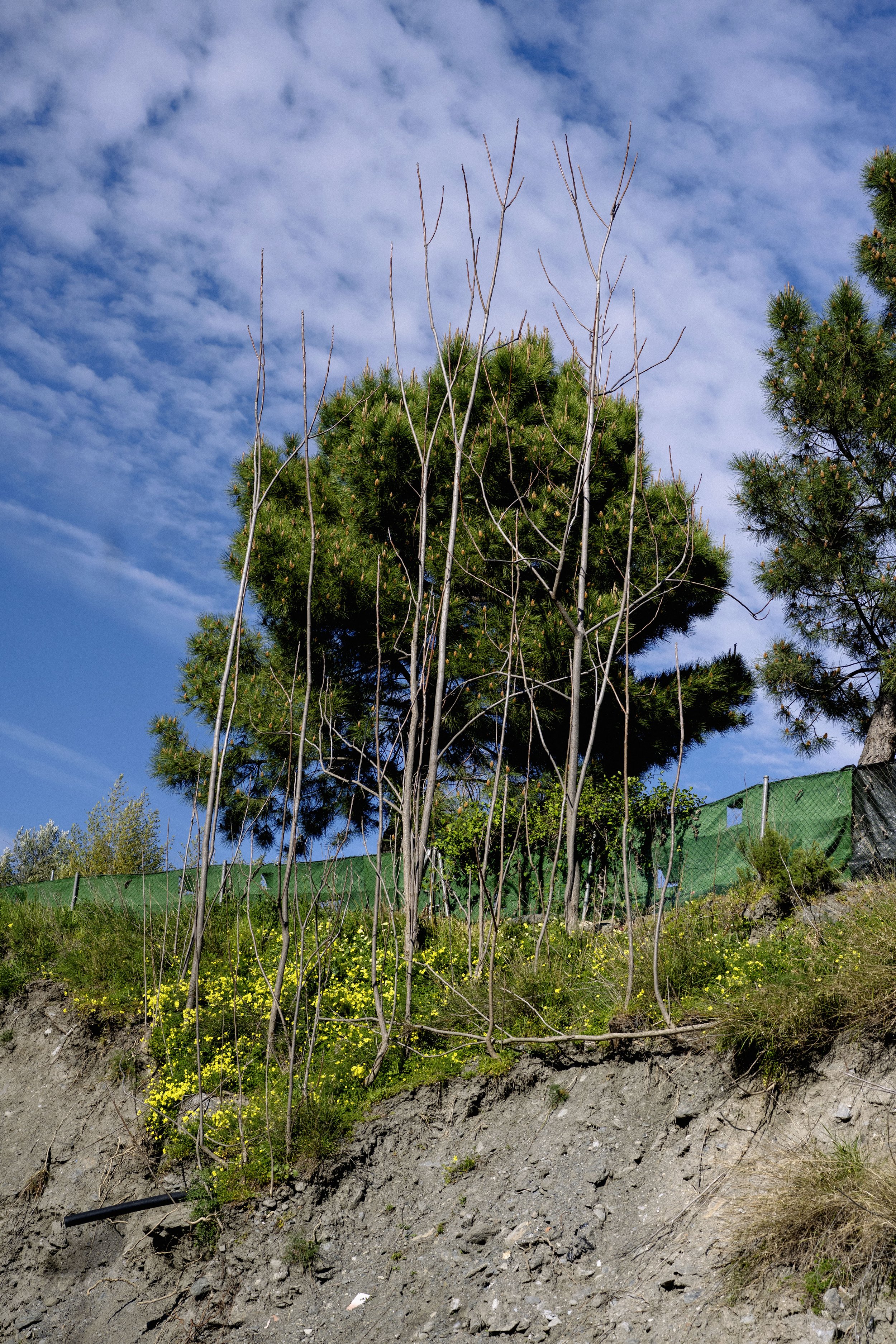
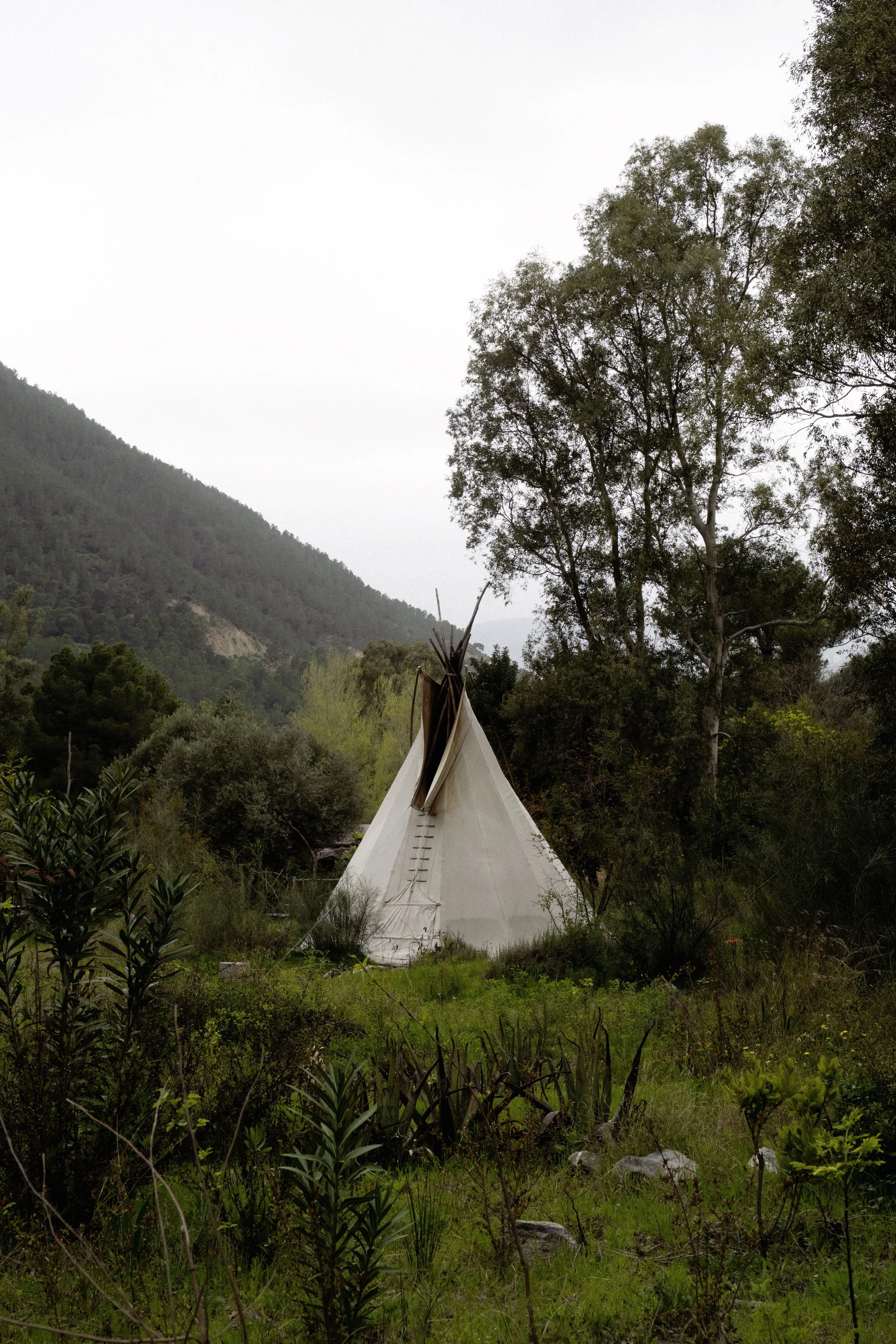
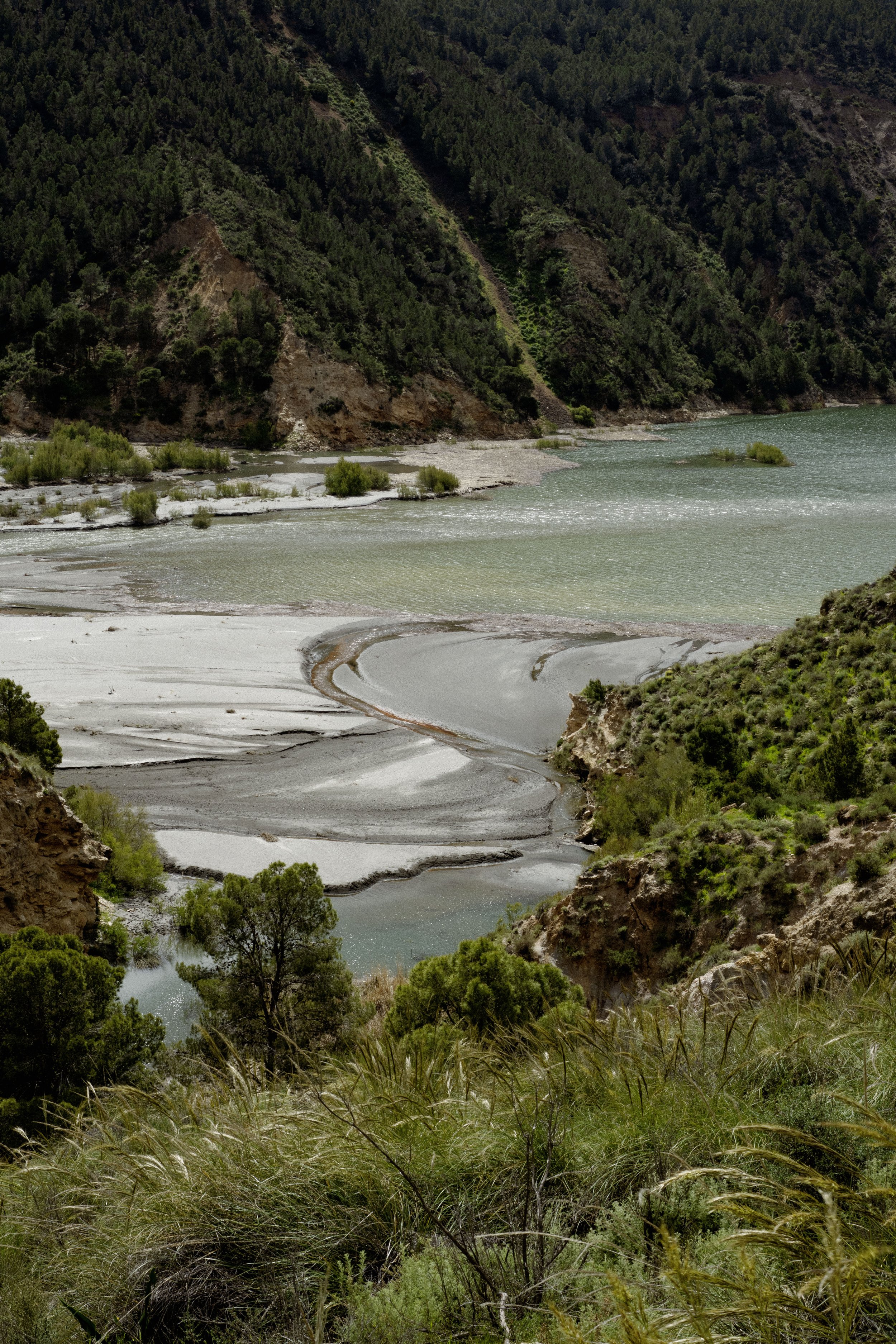
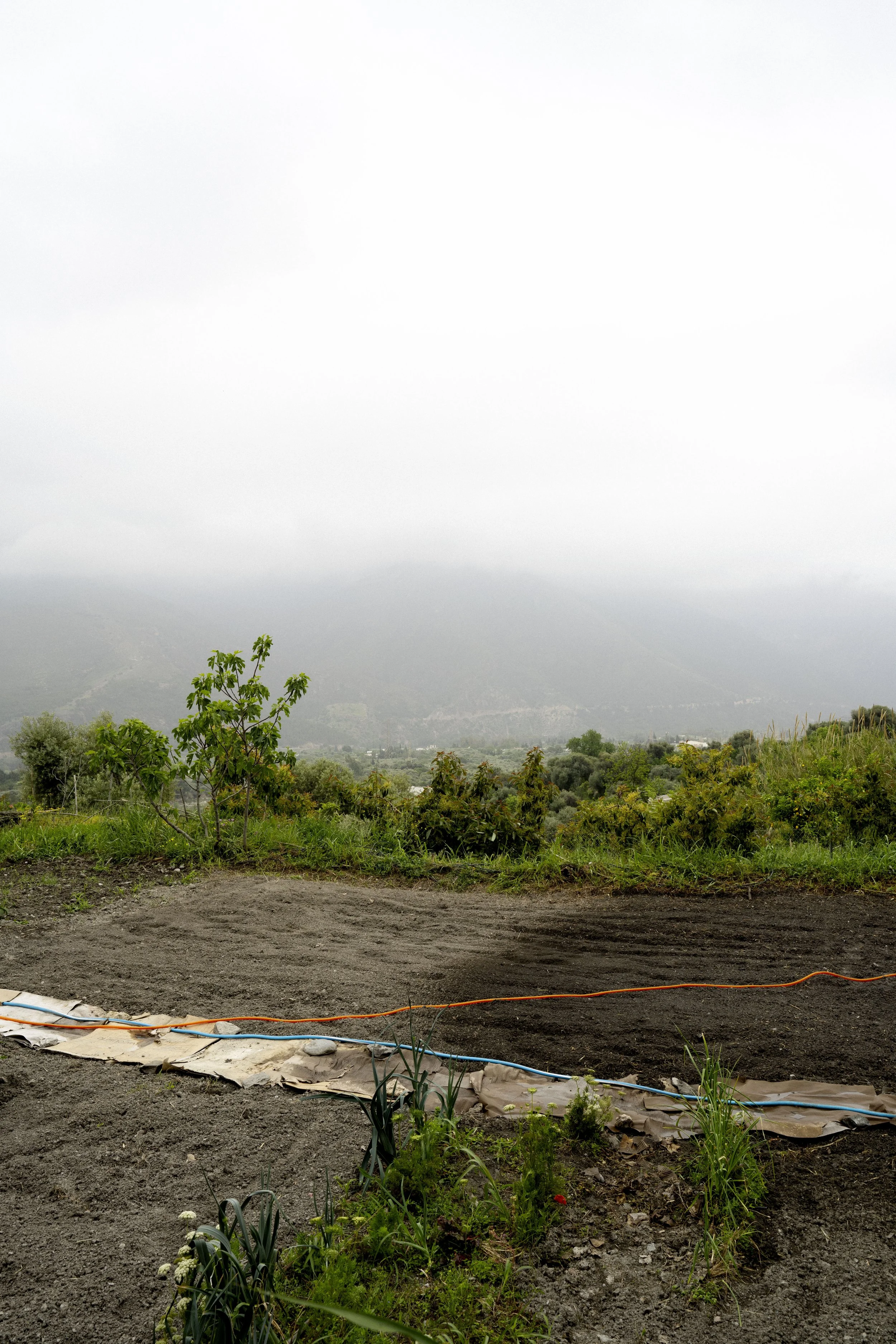
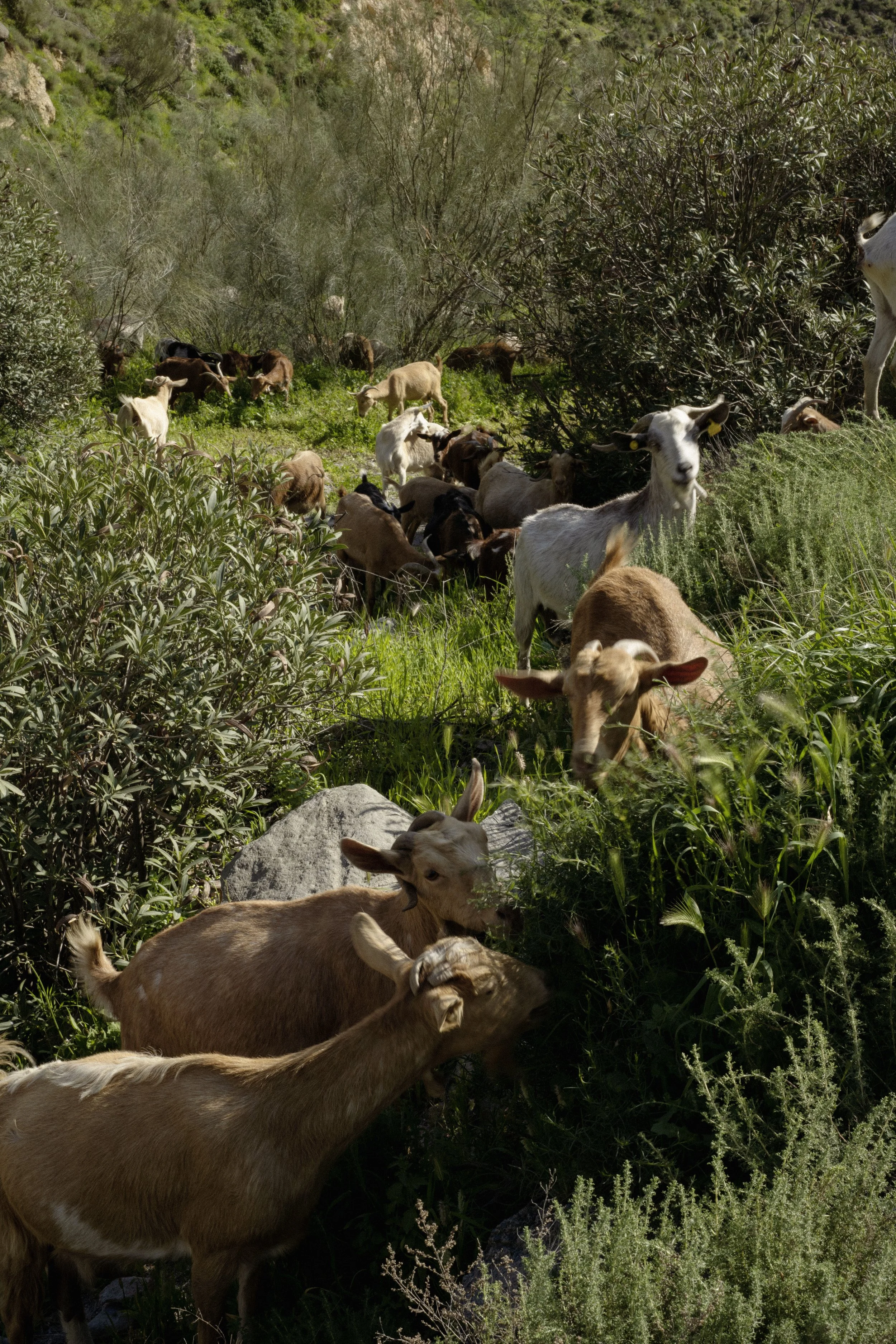
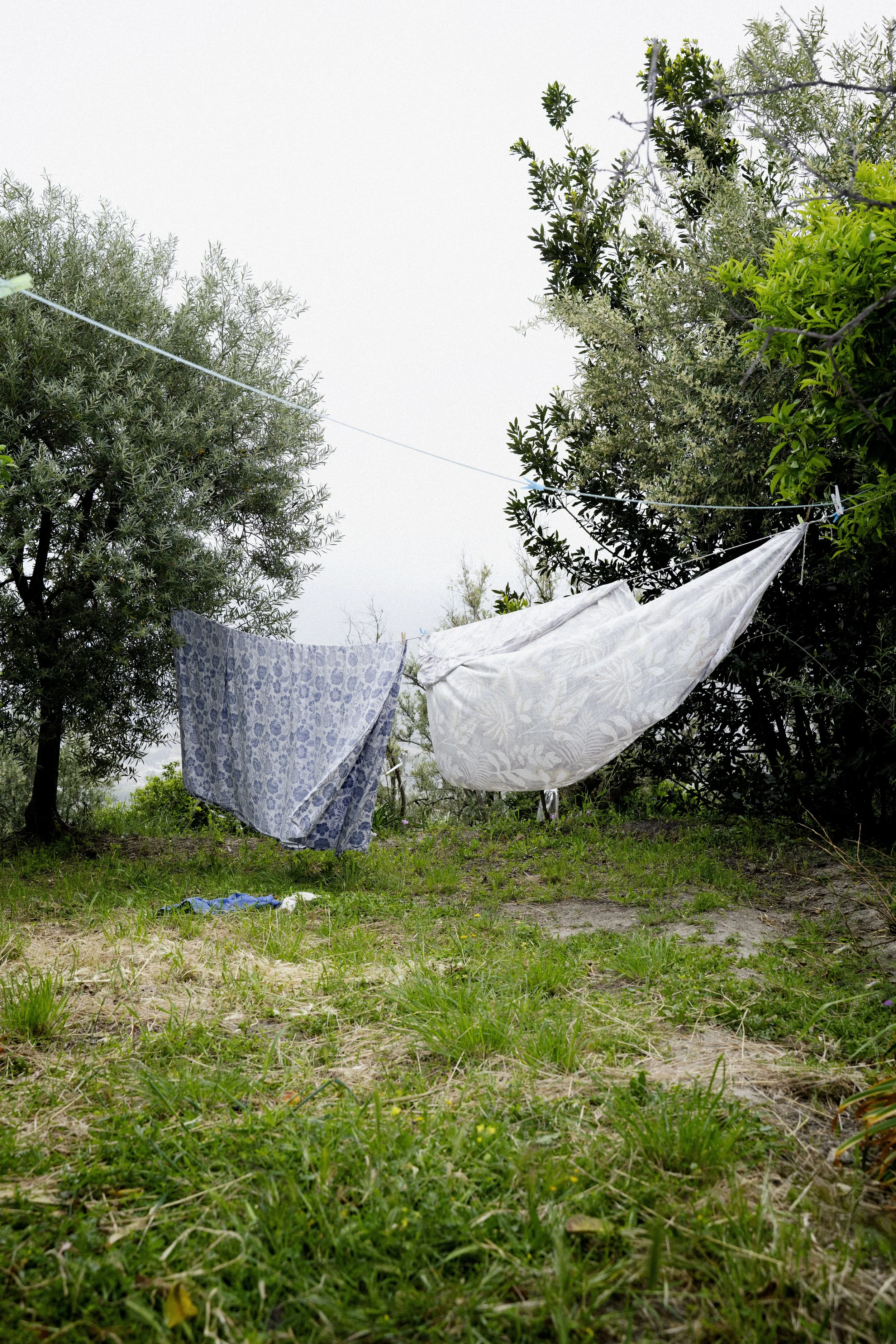
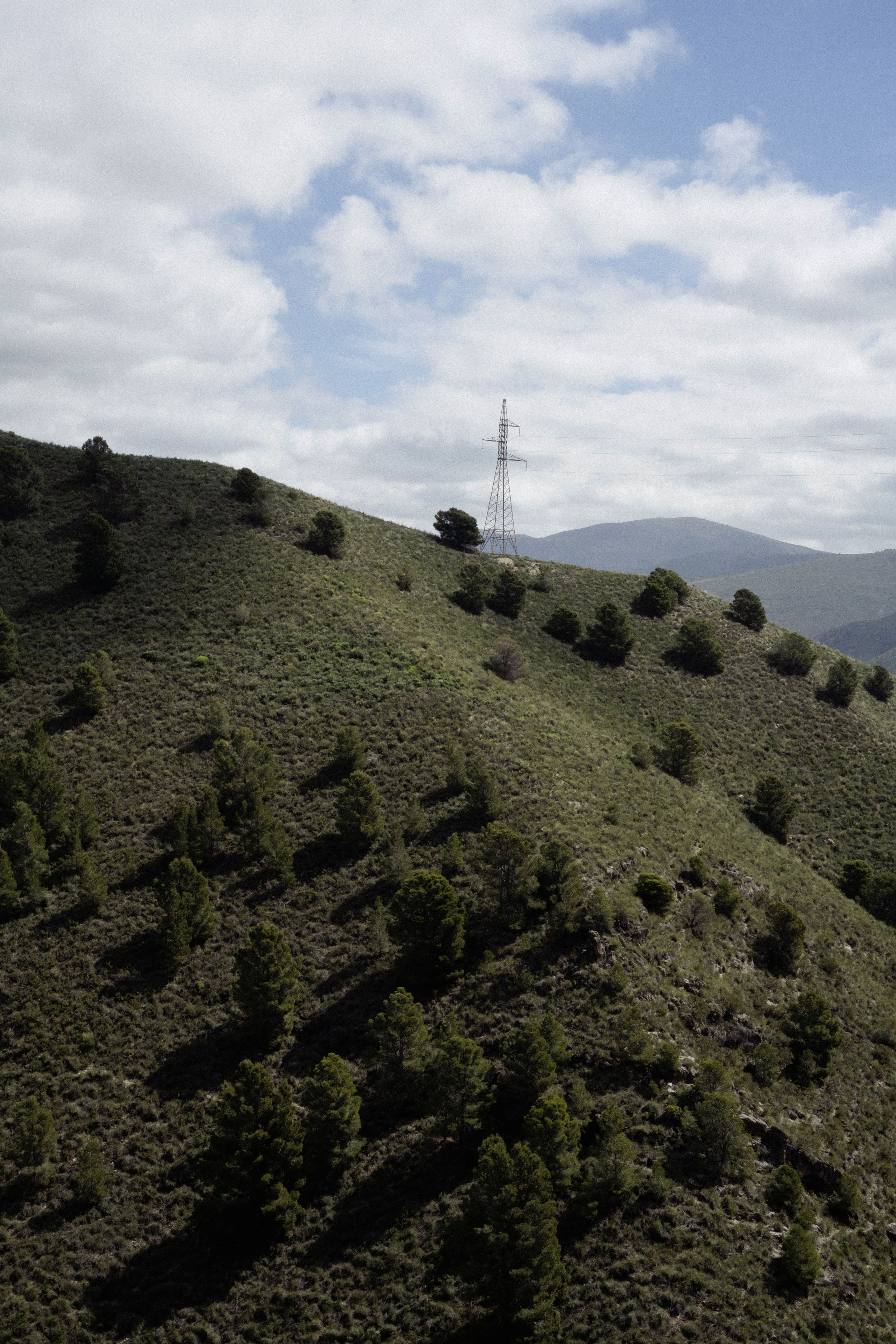
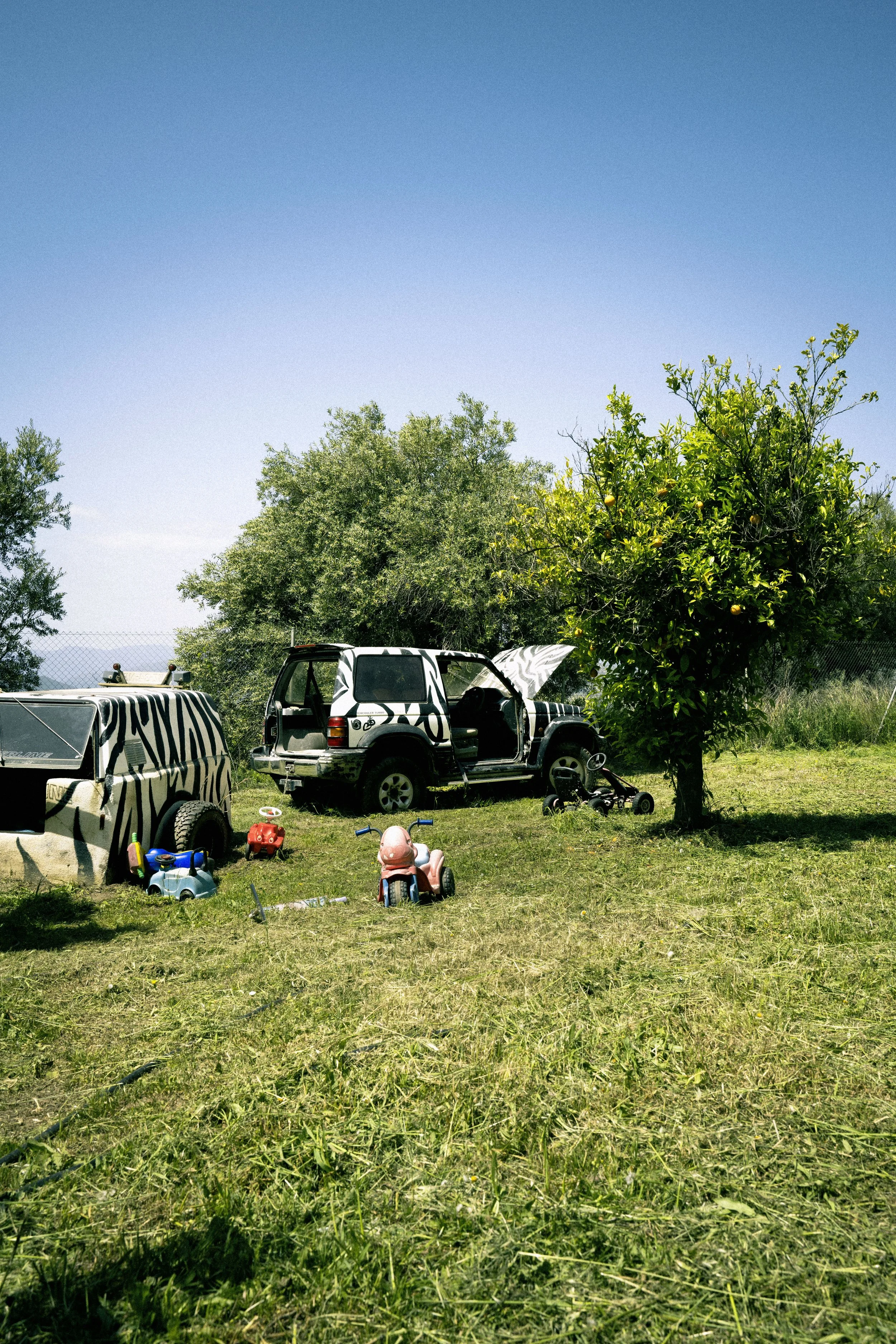
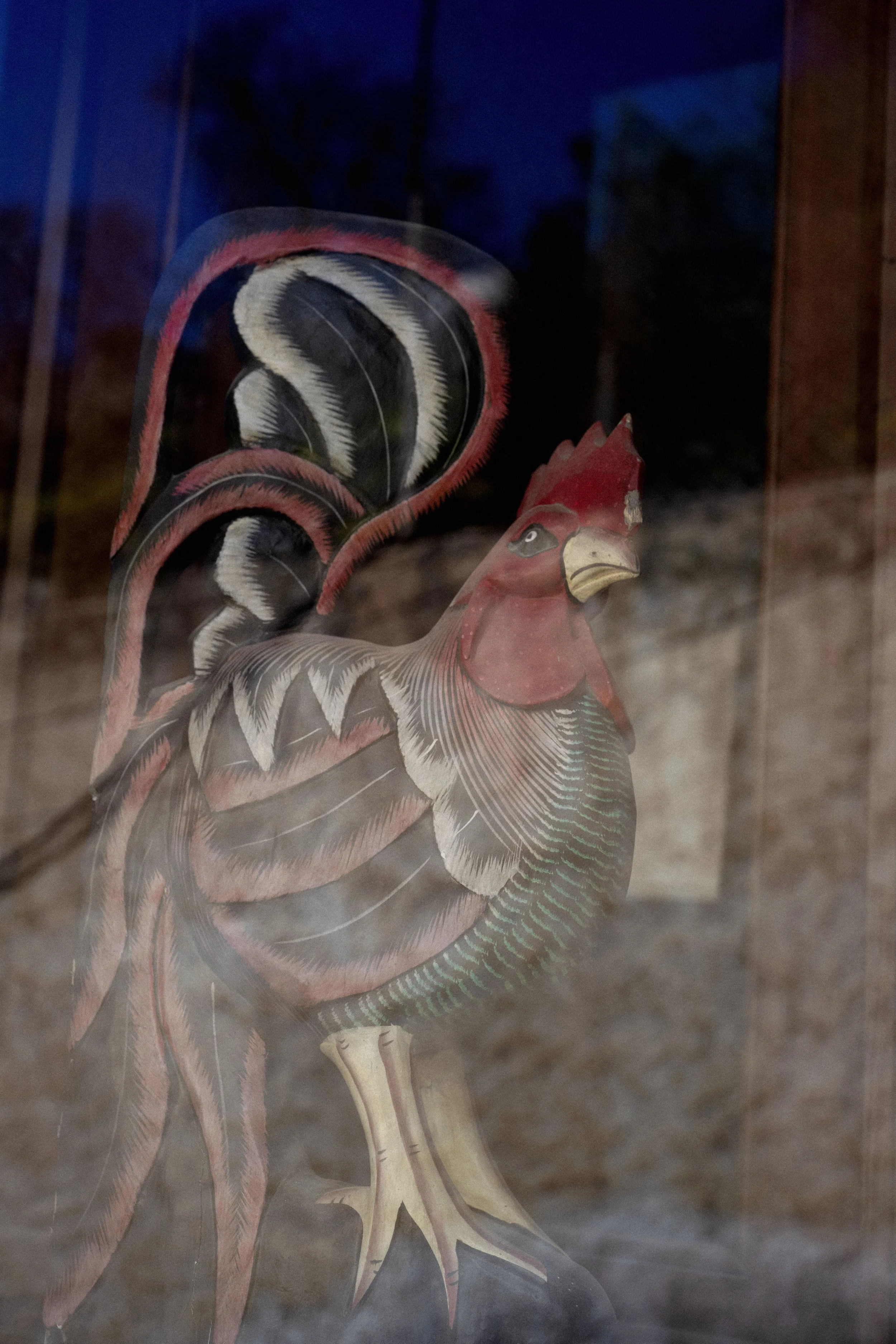
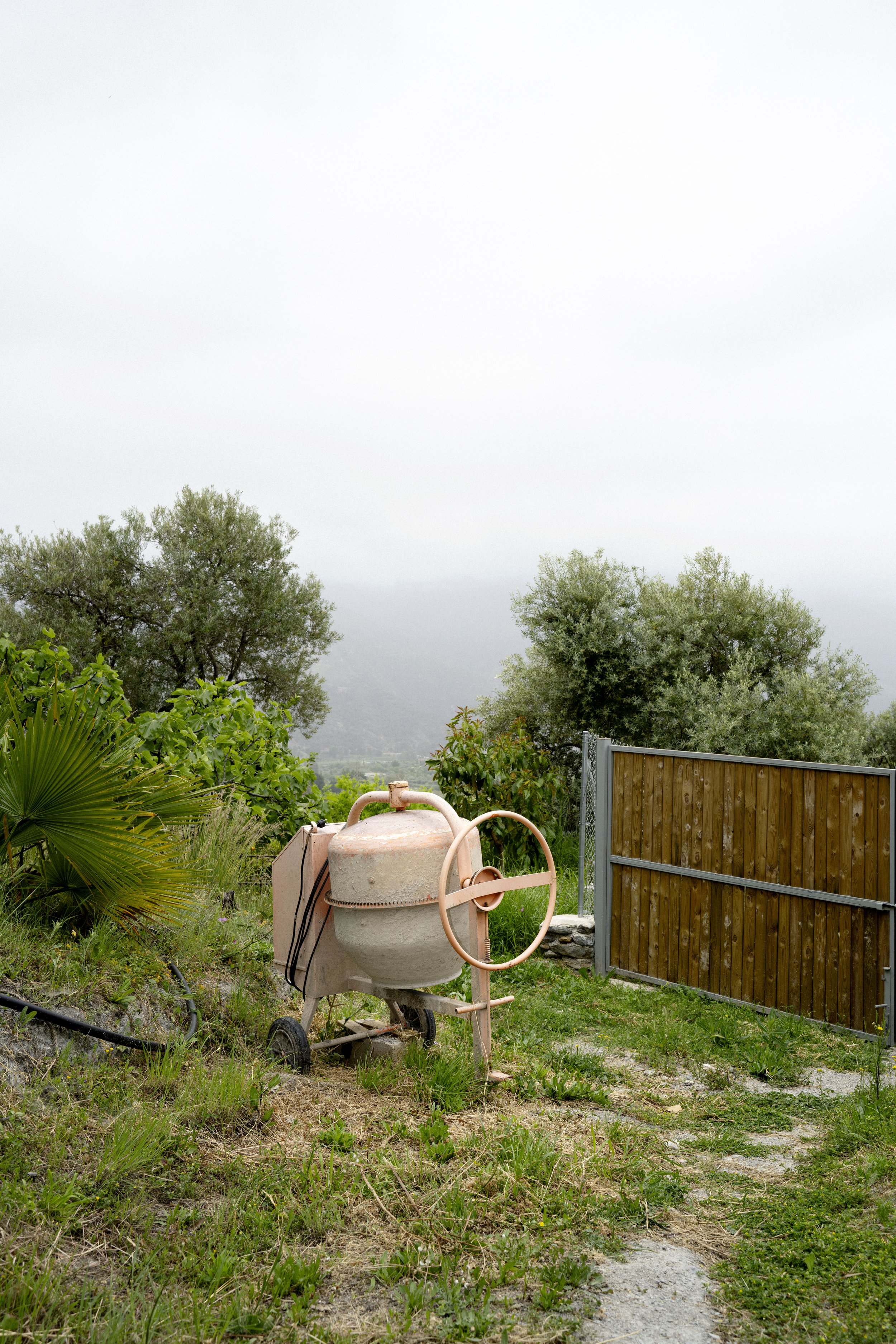
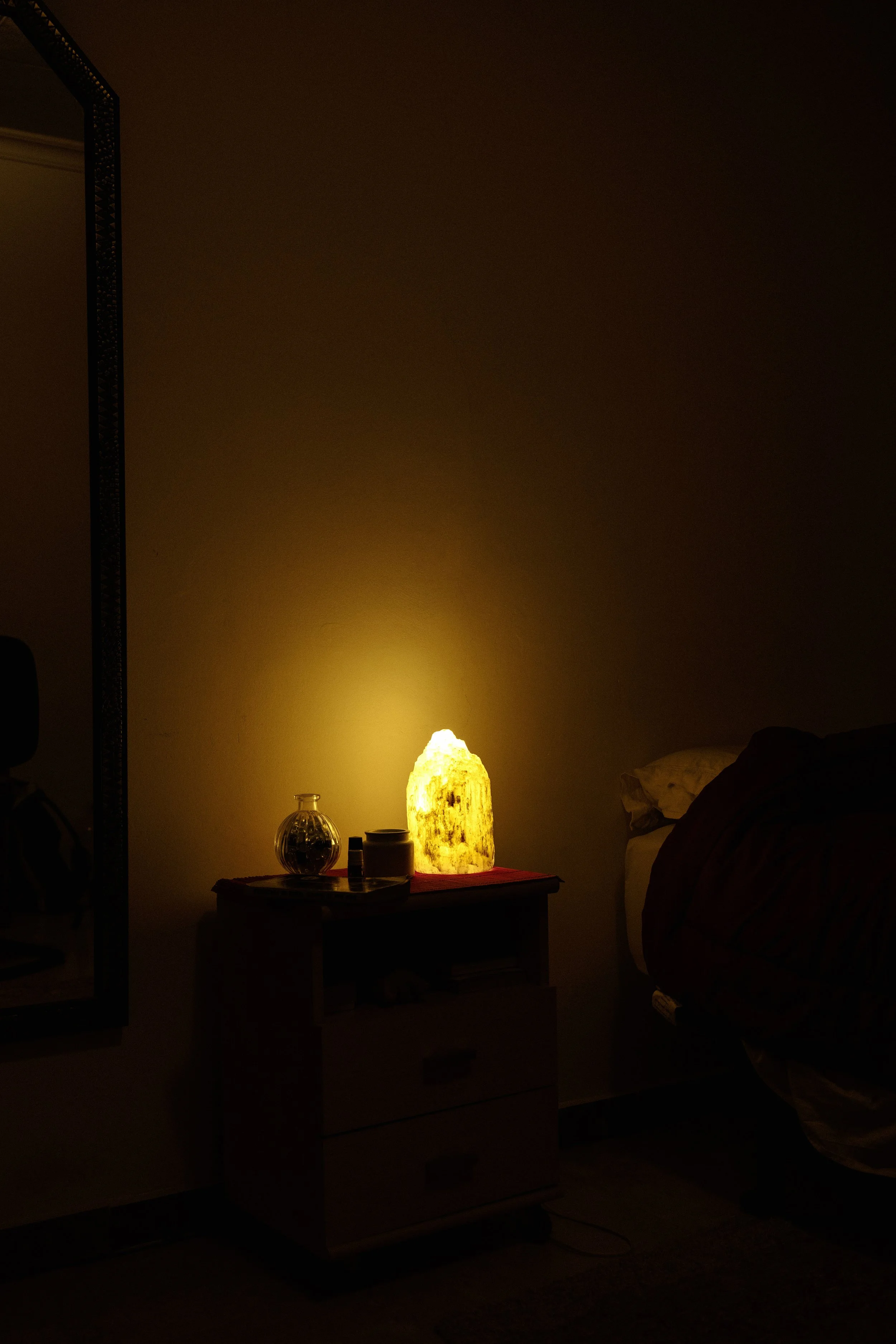
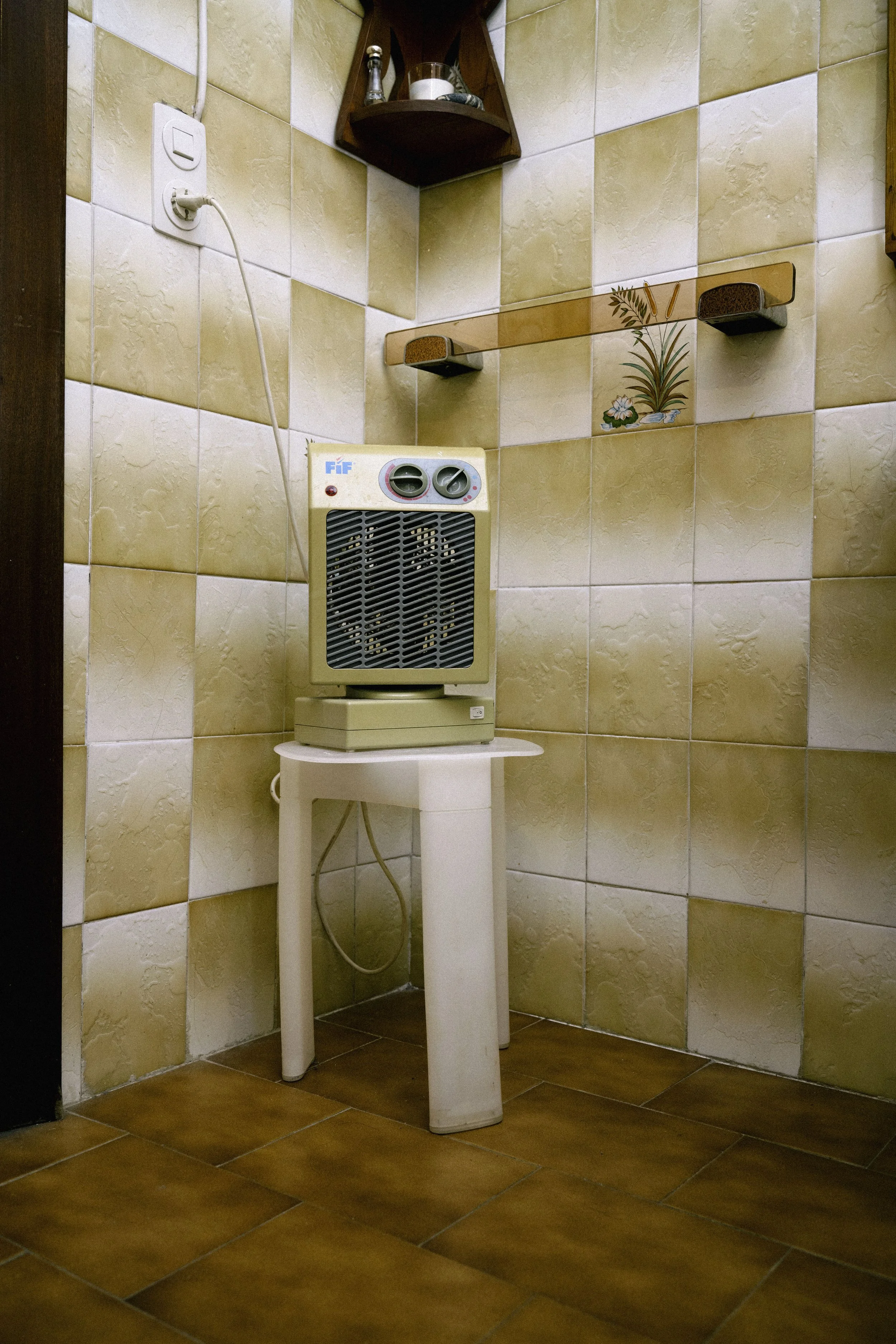
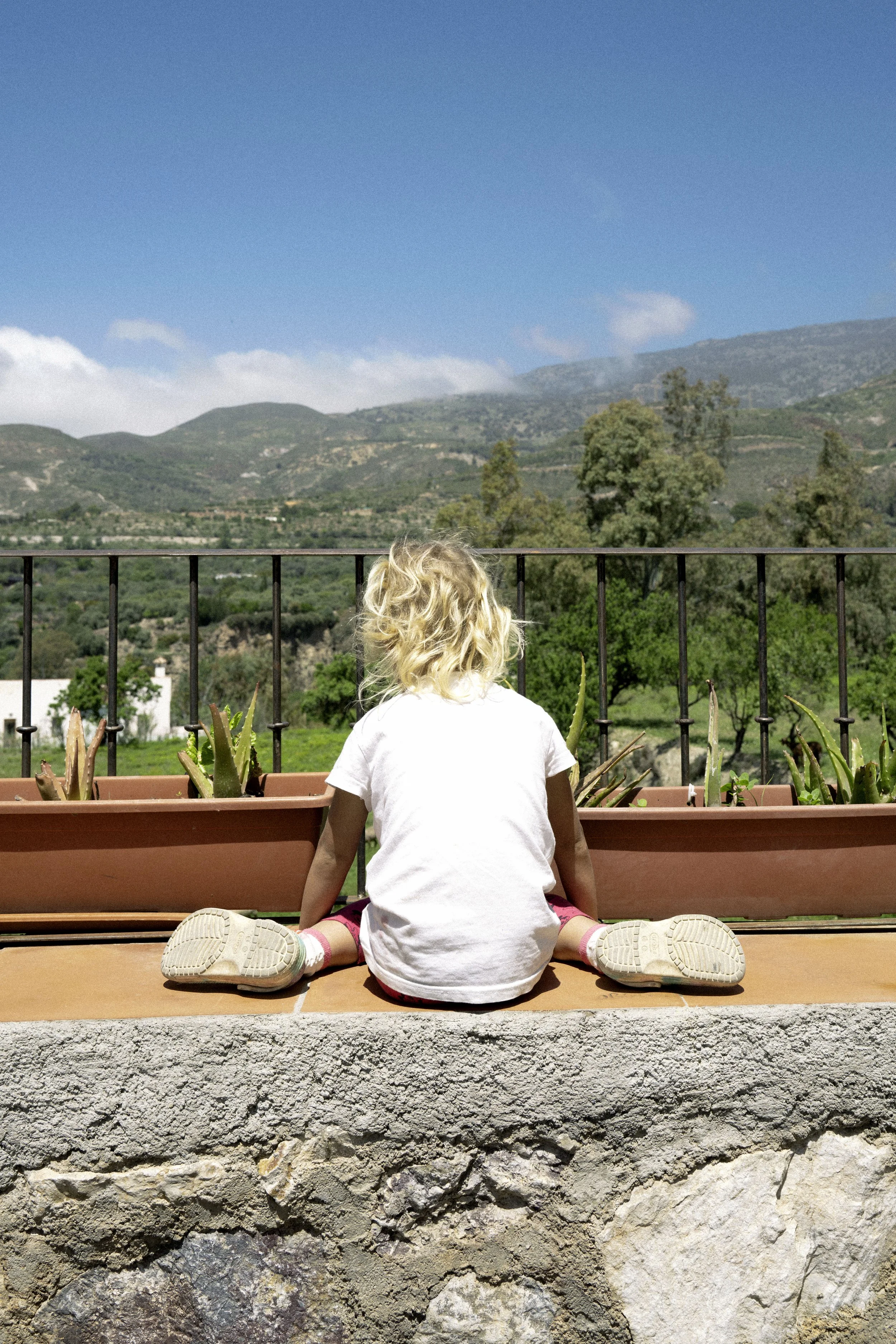
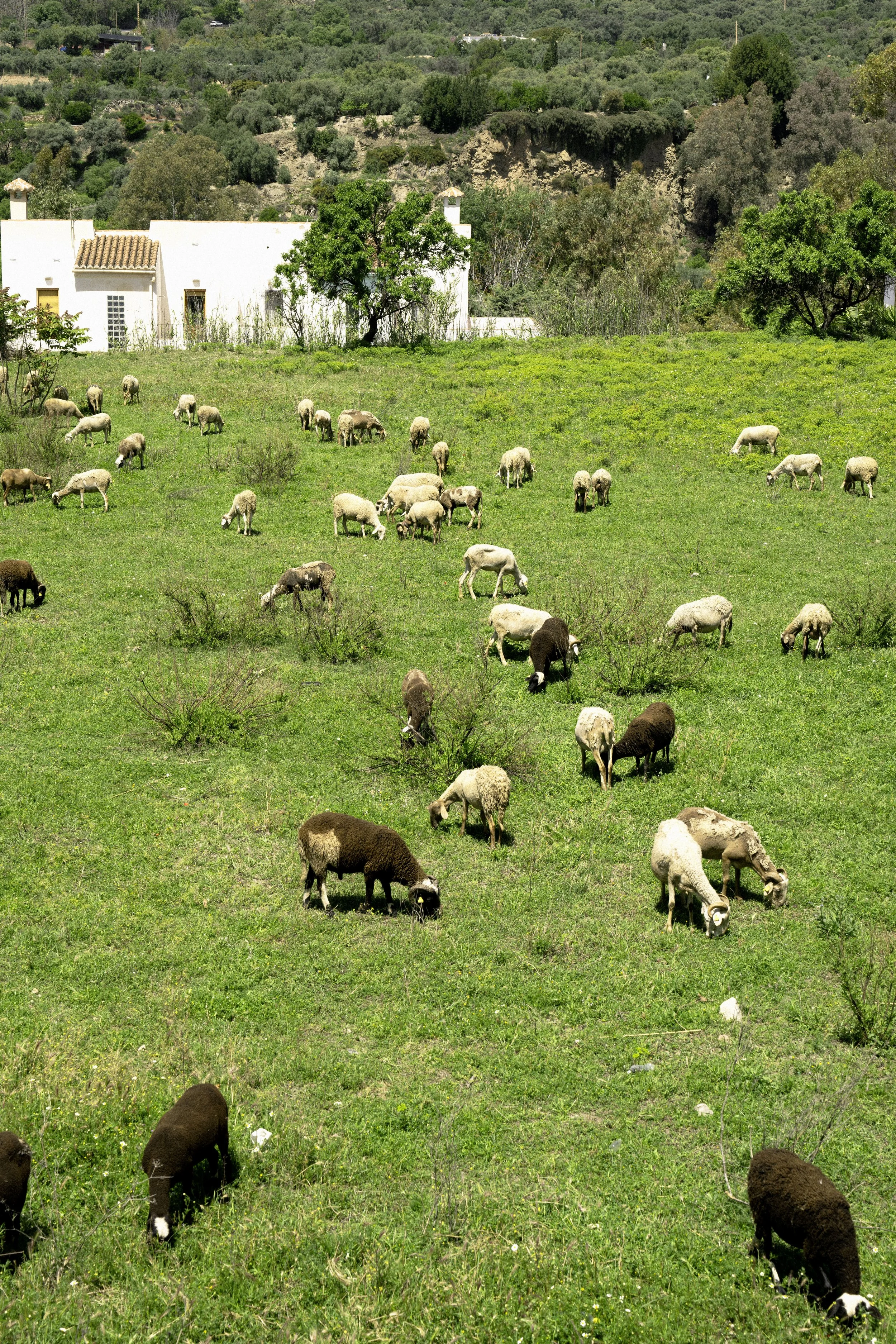
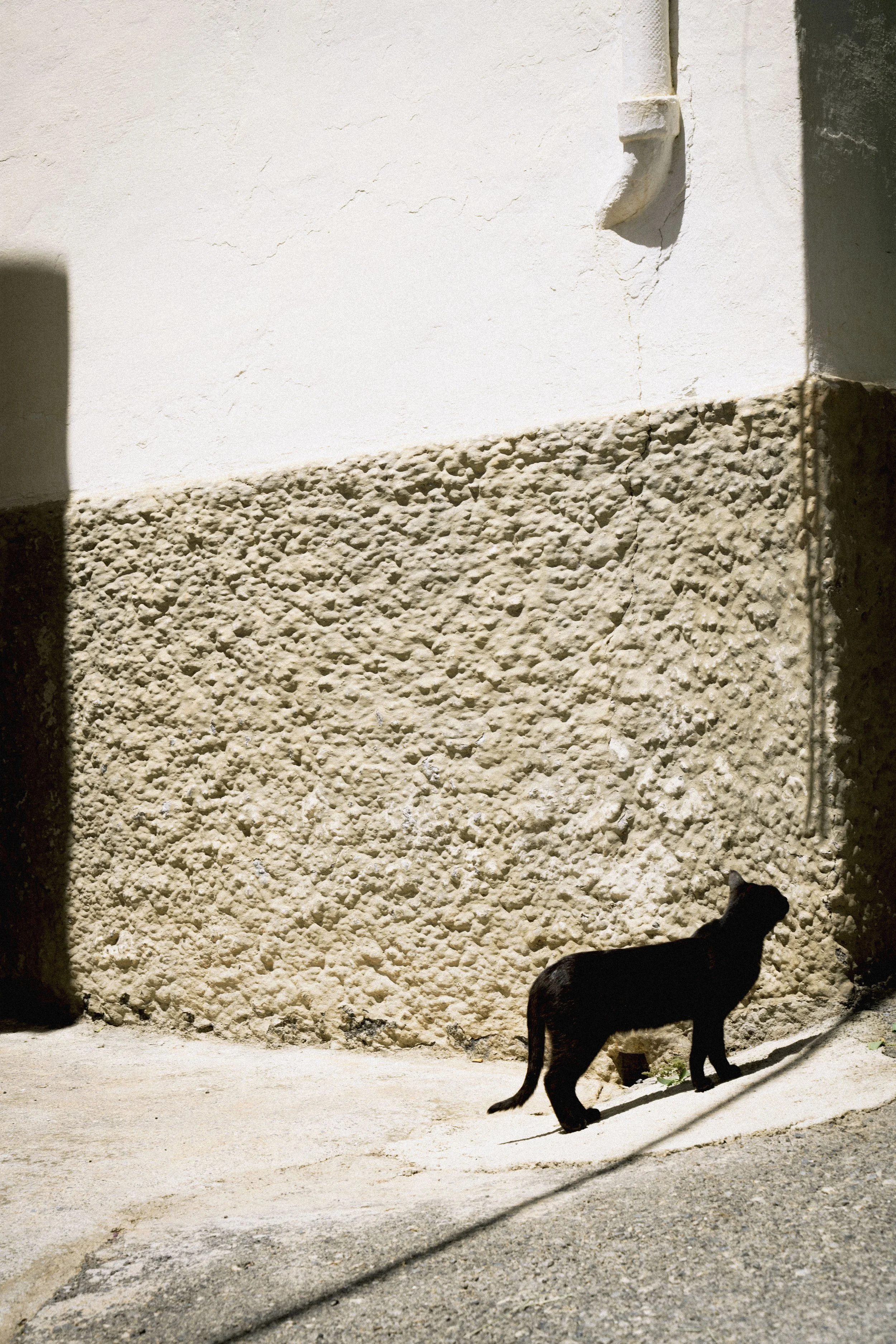
The photographic series I knead my flour with spring water, and it becomes dough (2025-2026) explores these questions through the example of a particular community in Órgiva, a mountain town in the southern Spanish province of Granada, situated on the southern slopes of the Alpujarras. For centuries, the town's history has been shaped by cultural exchange and diverse forms of coexistence. Believed to have been founded by North African Berbers in the eighth century, Órgiva was long characterised by a largely self-sufficient way of life, in which agriculture, fruit and vegetable cultivation, and livestock farming played a central role. These practices continue to form part of everyday life for many of its residents.
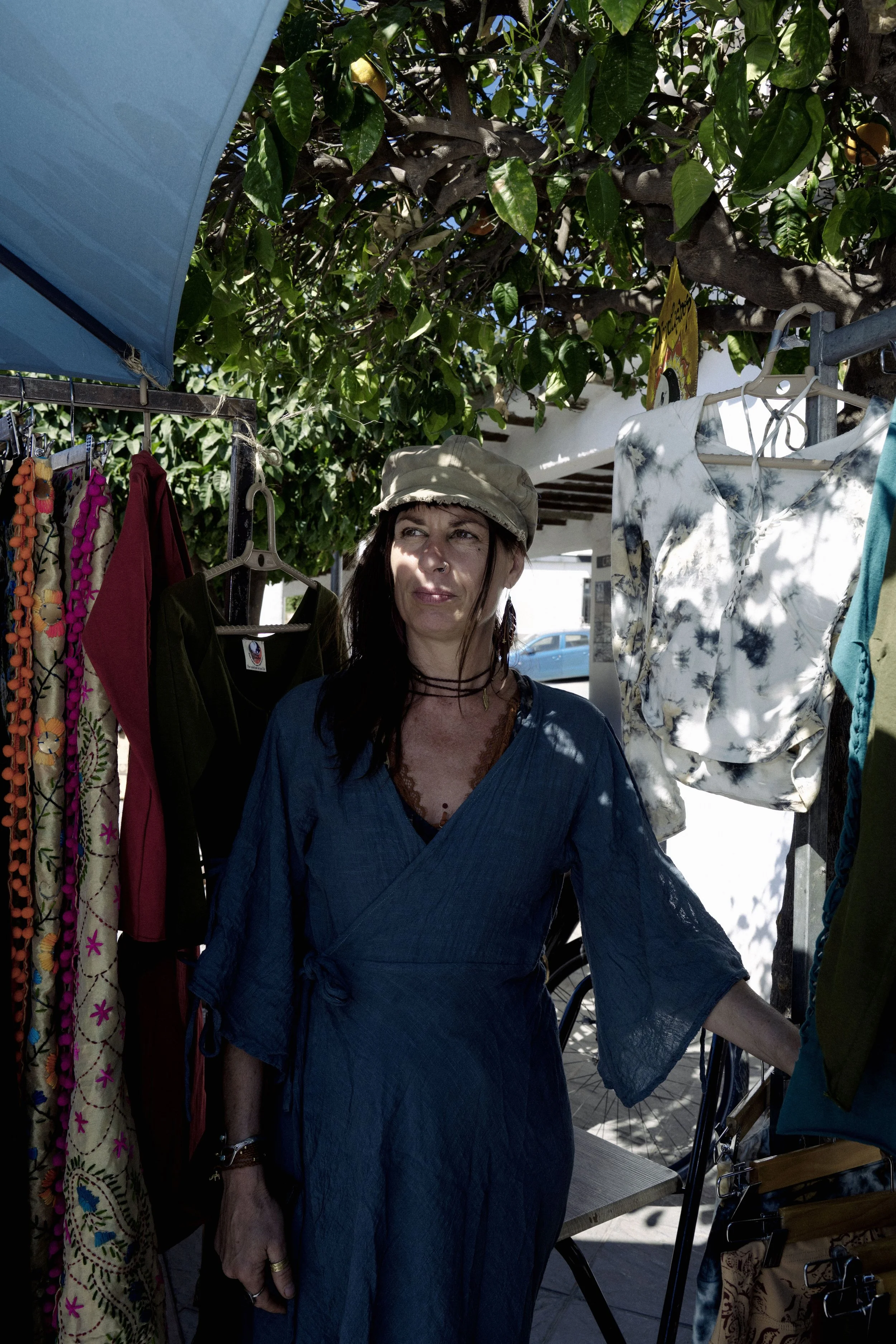
With around 6000 inhabitants representing sixteen different nationalities, Órgiva is an example of a diverse European community where different life stories, cultures, and ways of life intersect. Its close relationship with nature, cultural diversity, and traditions of mutual support have made the town an attractive destination for people from different parts of the world.
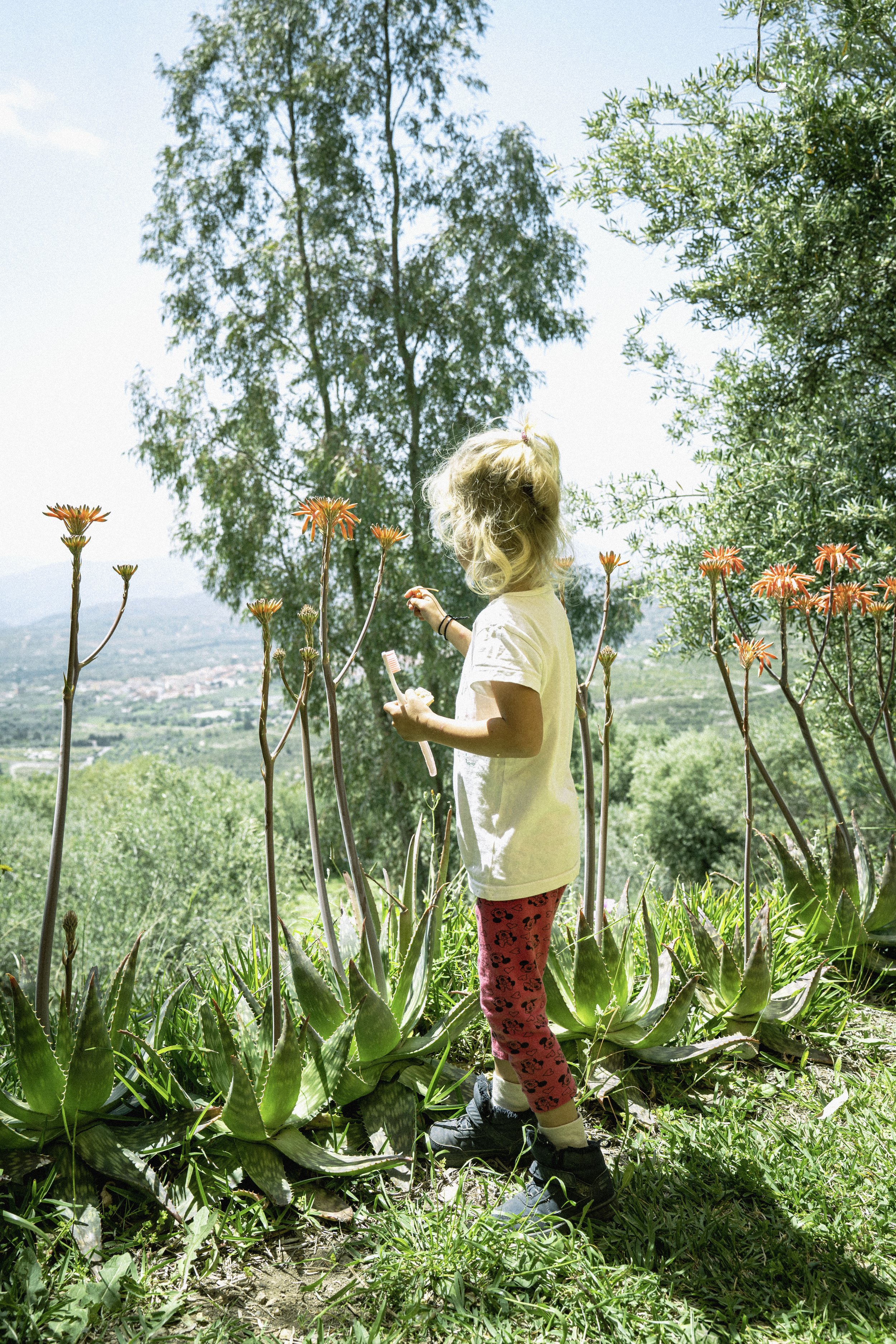
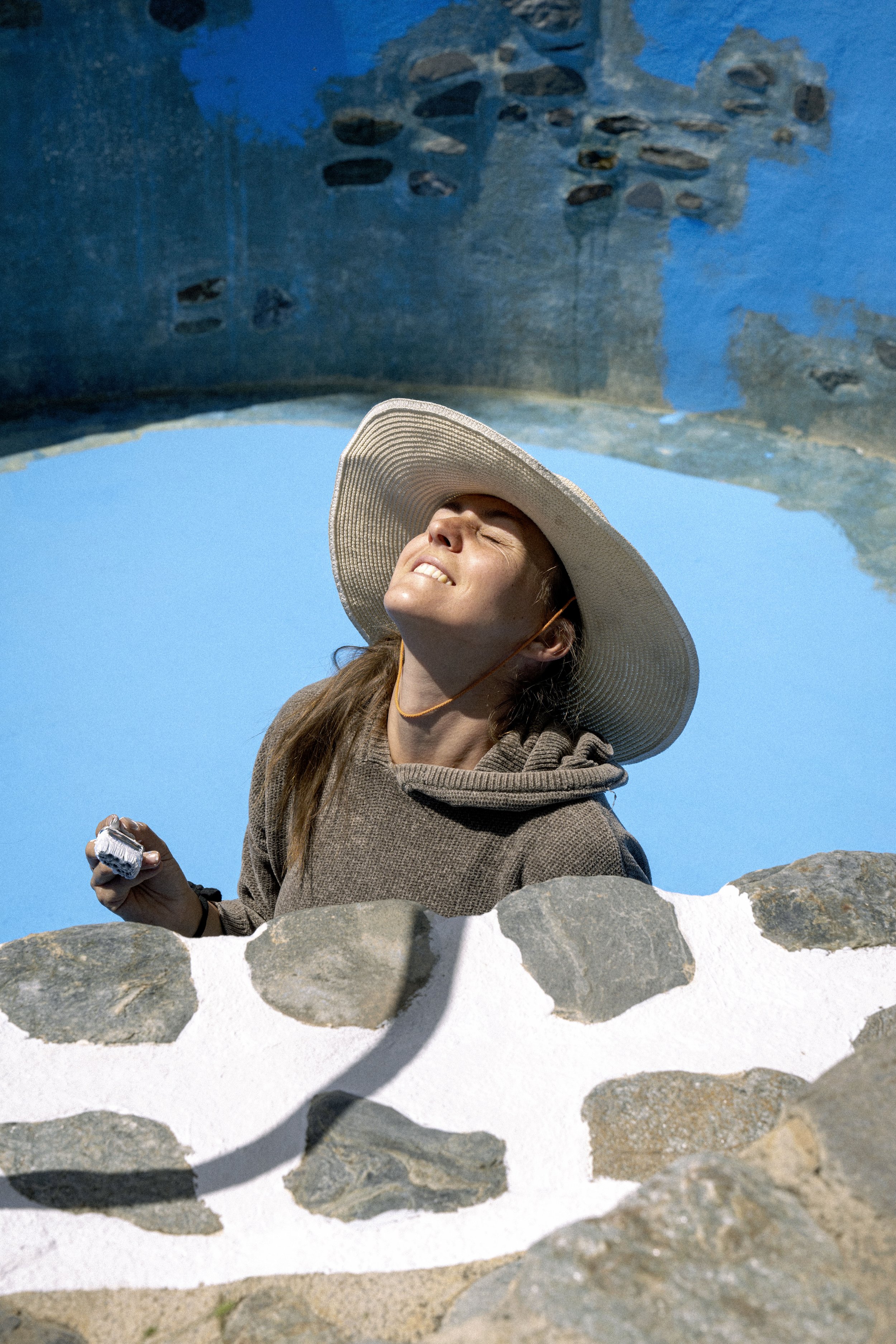
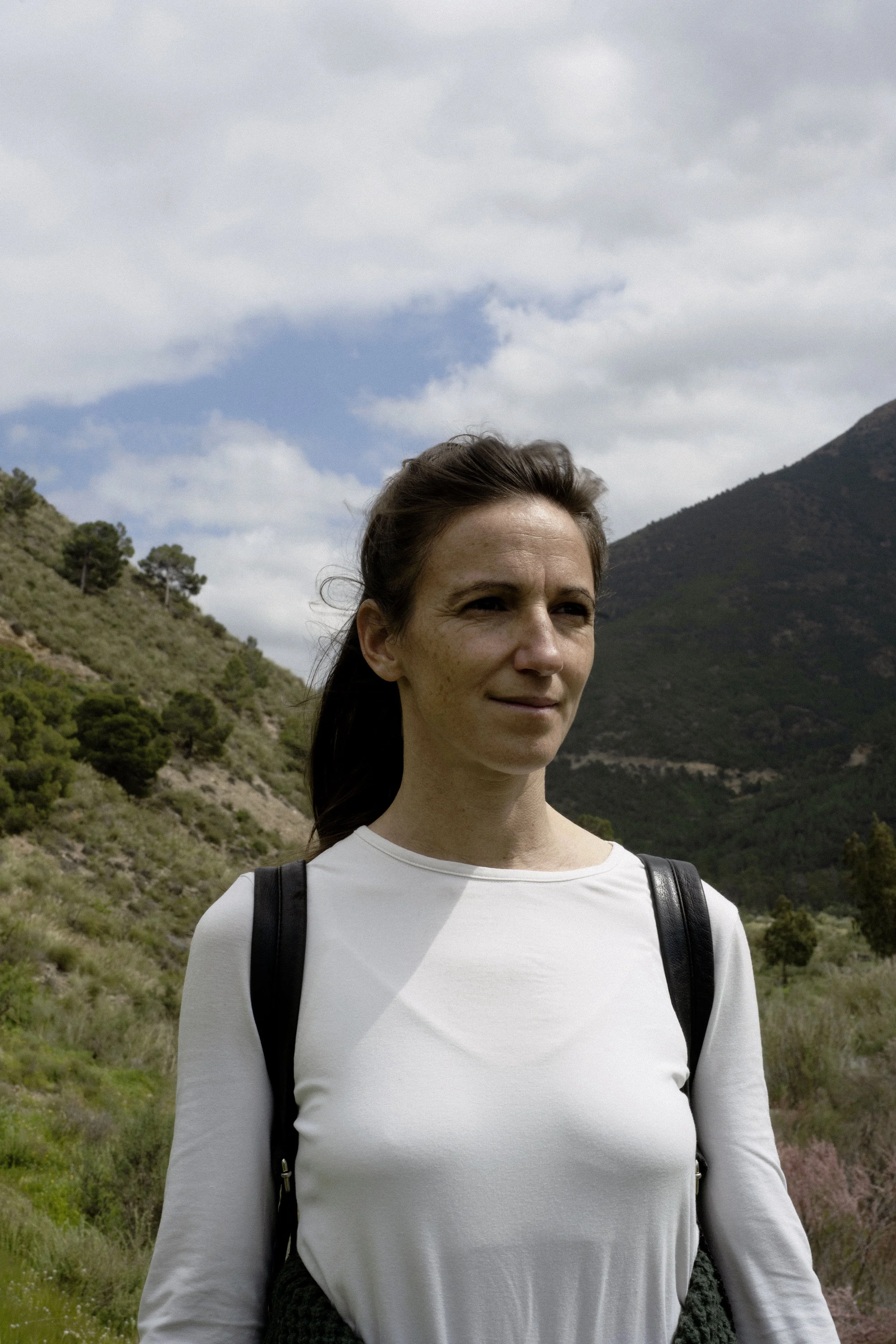
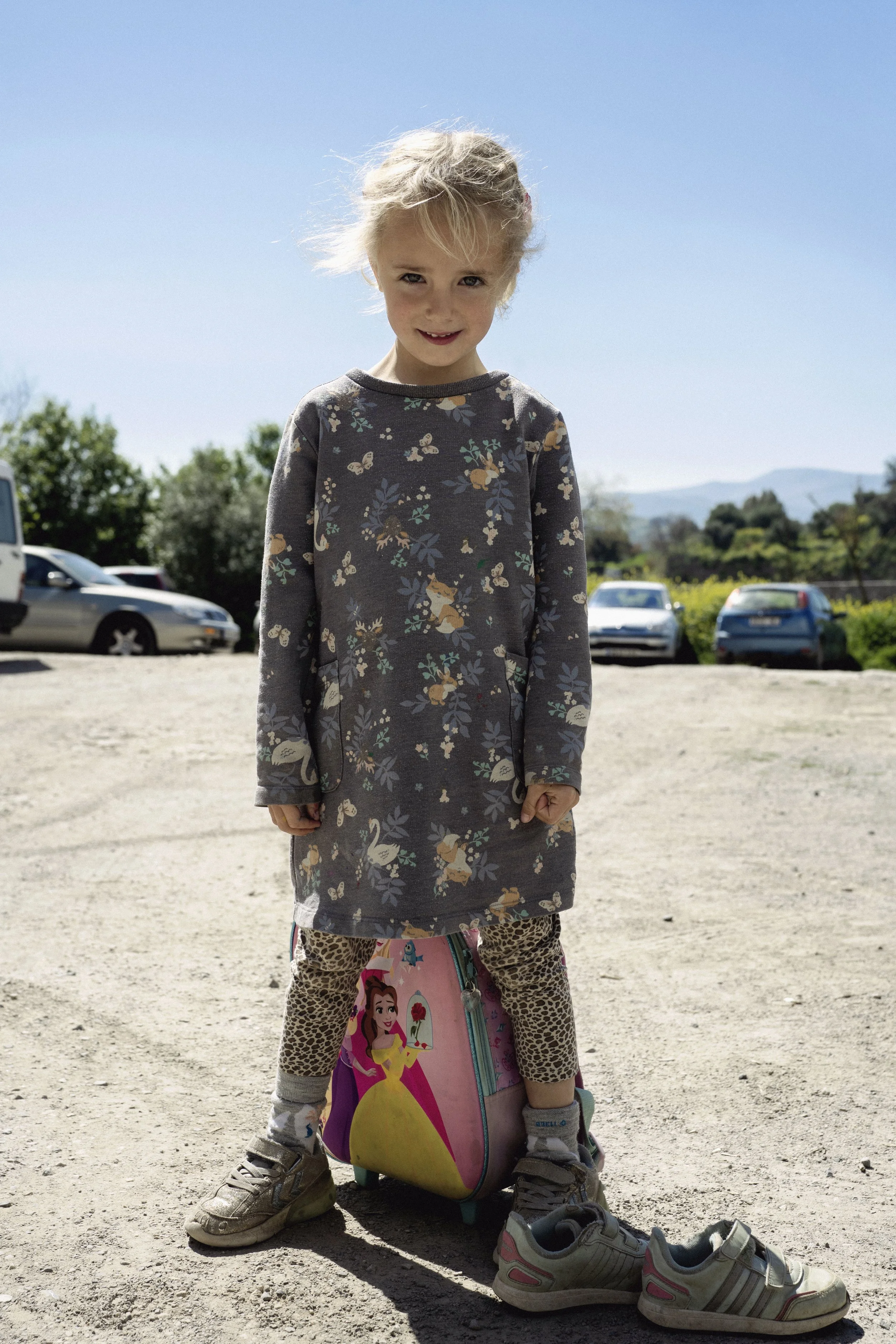
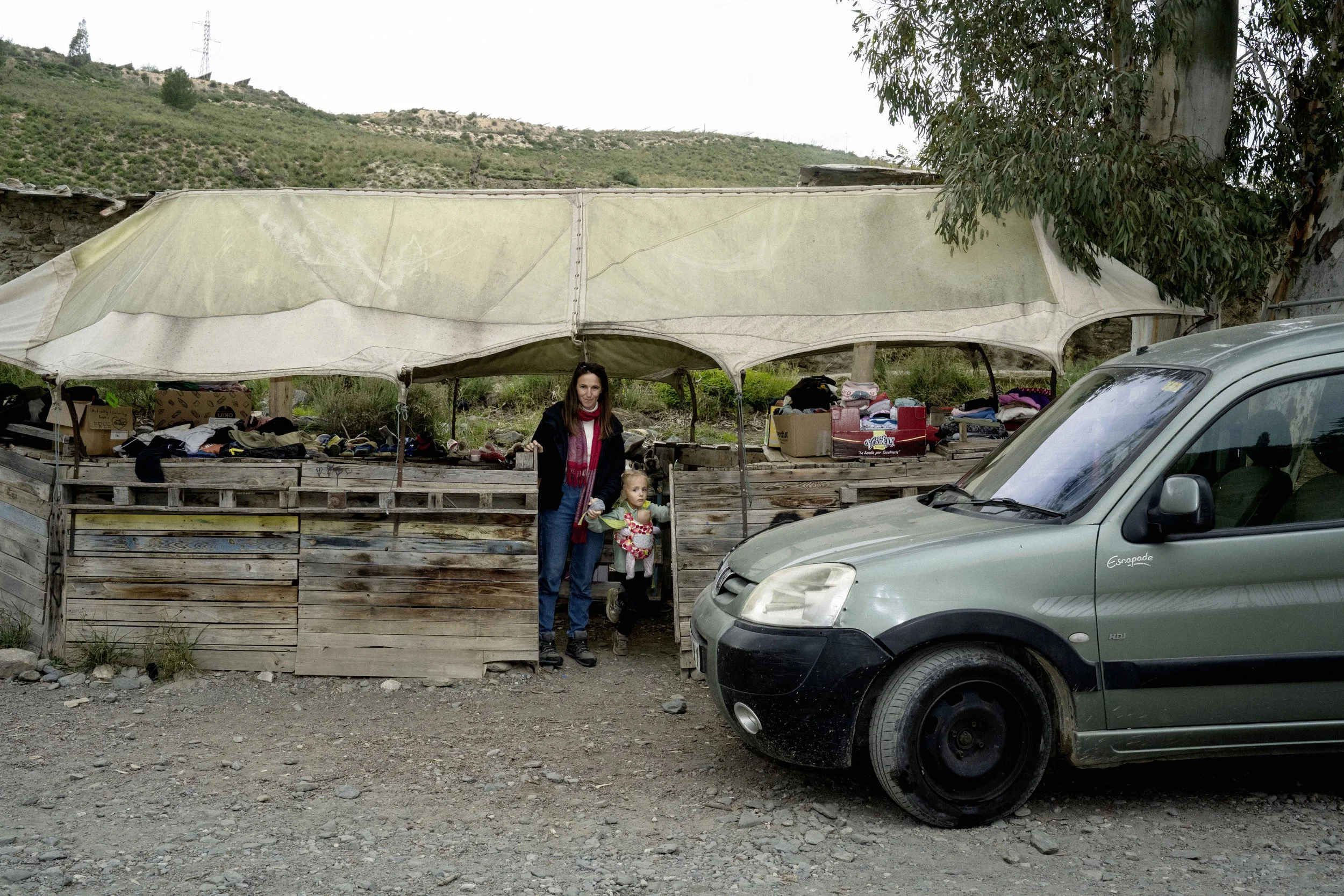
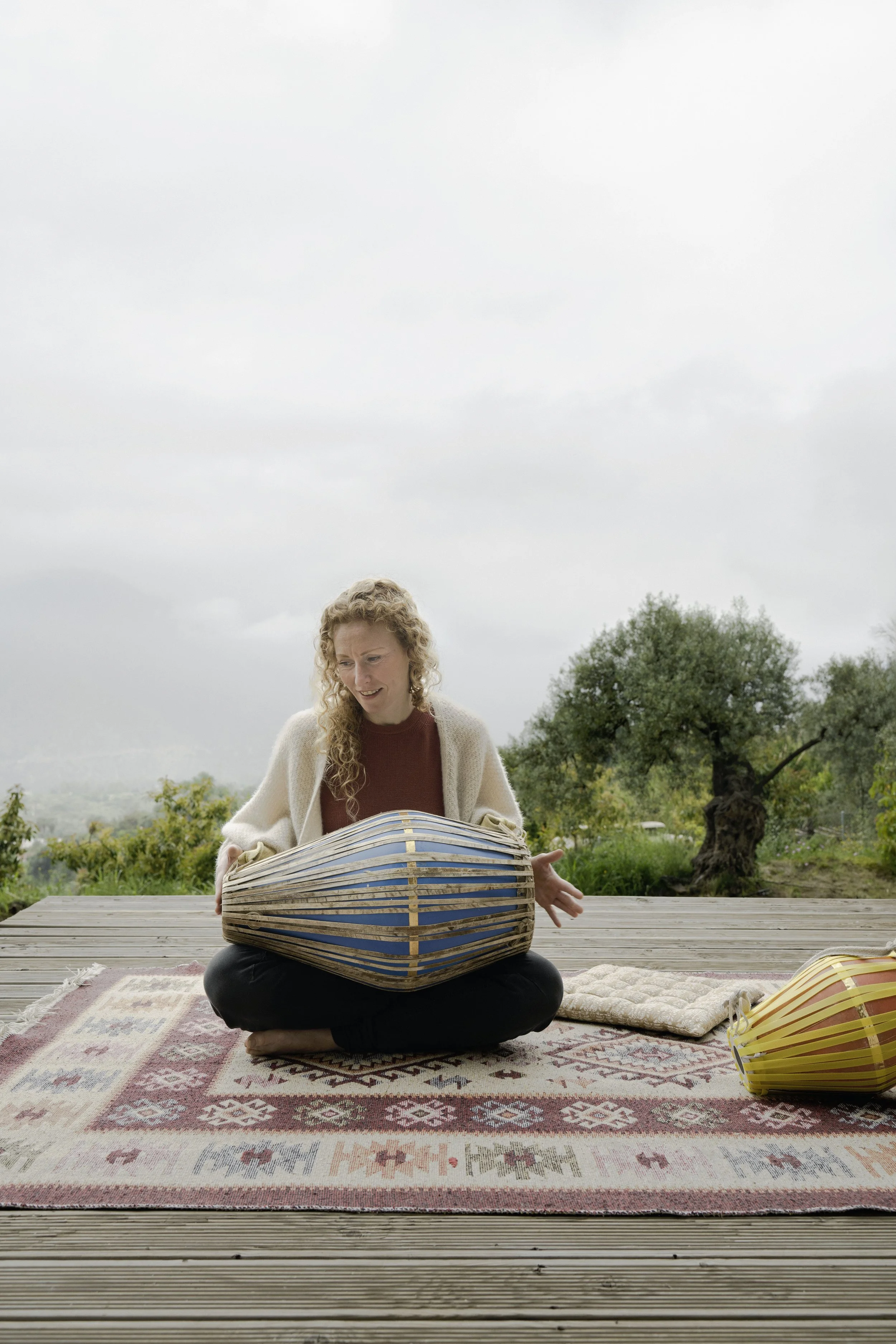
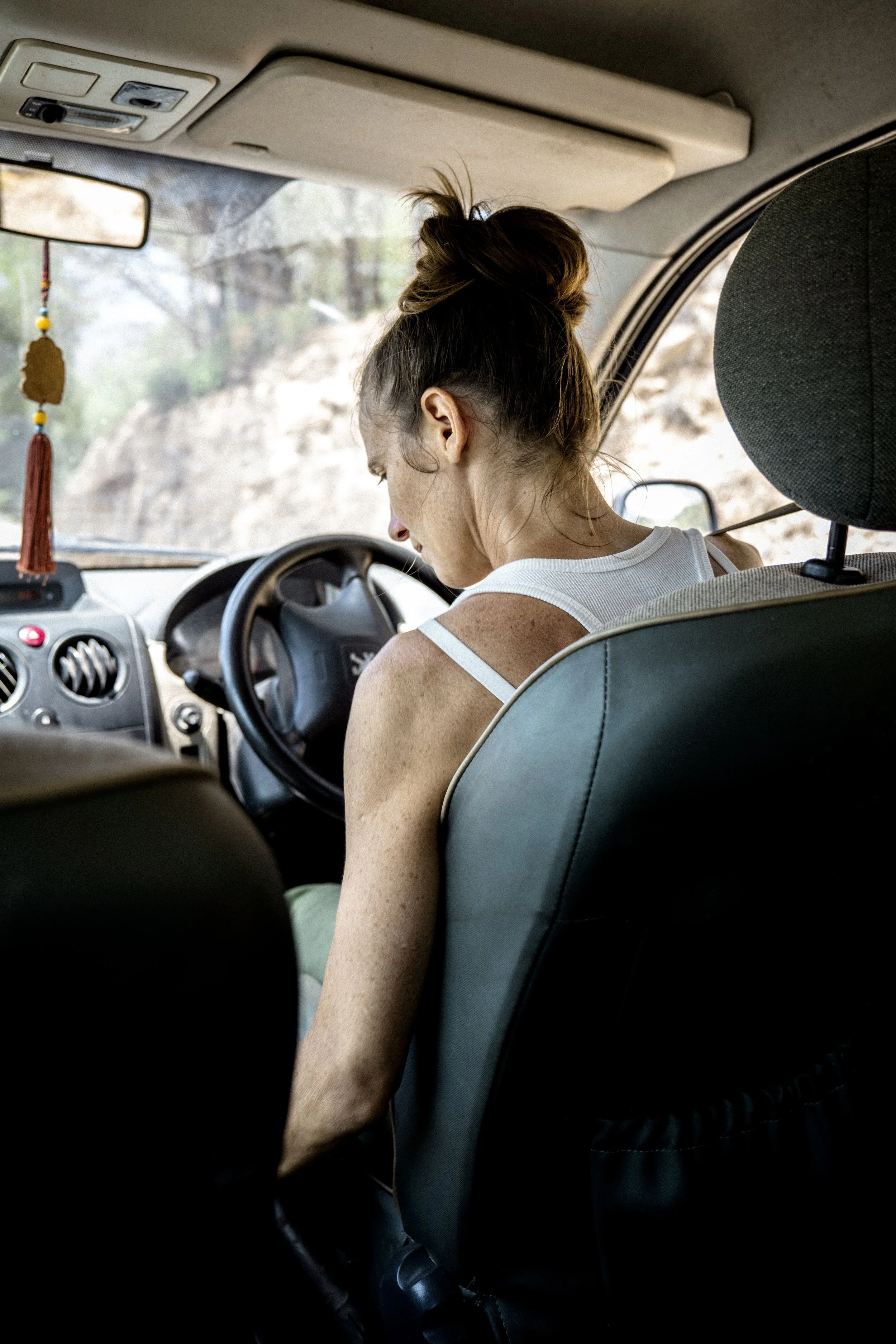
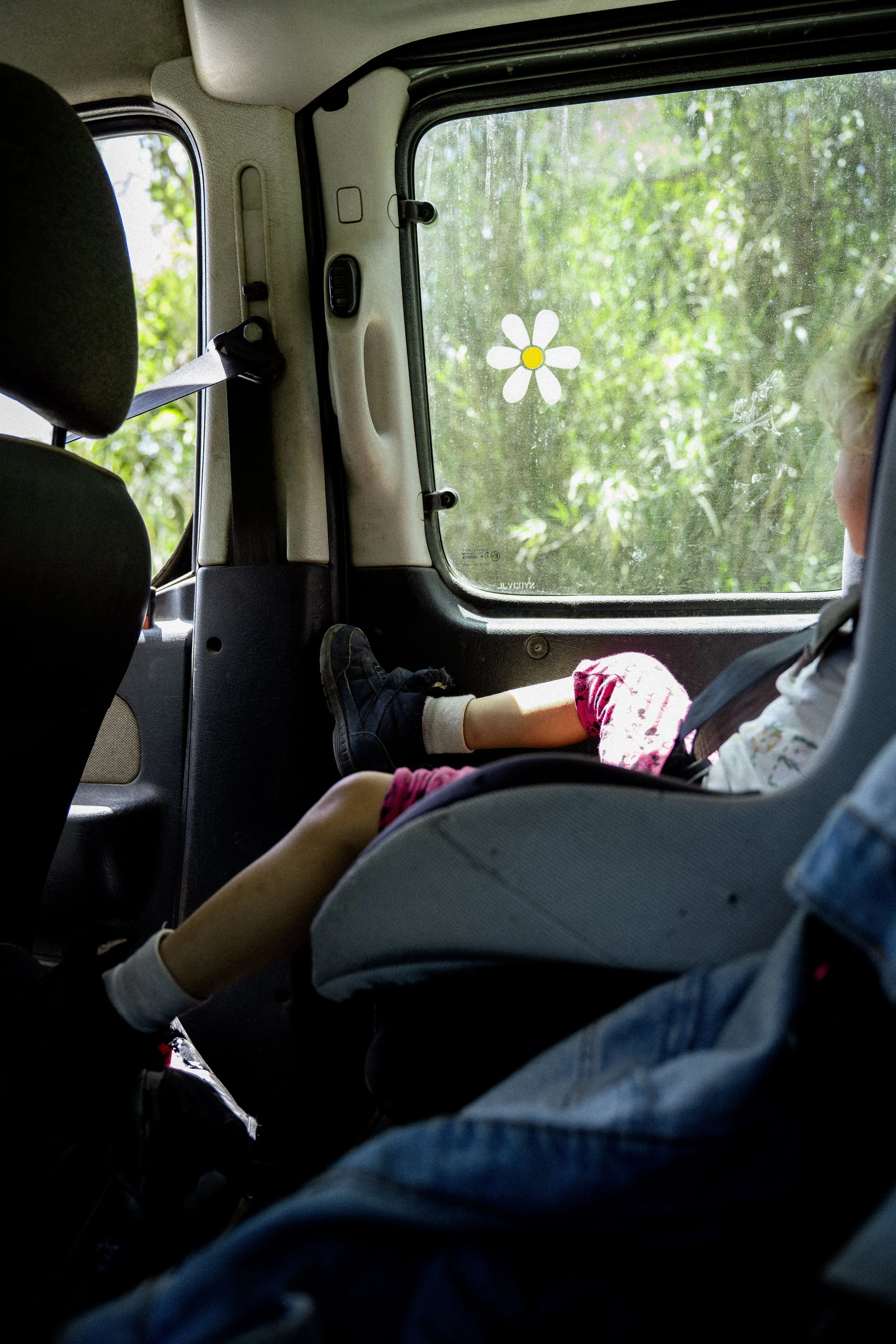
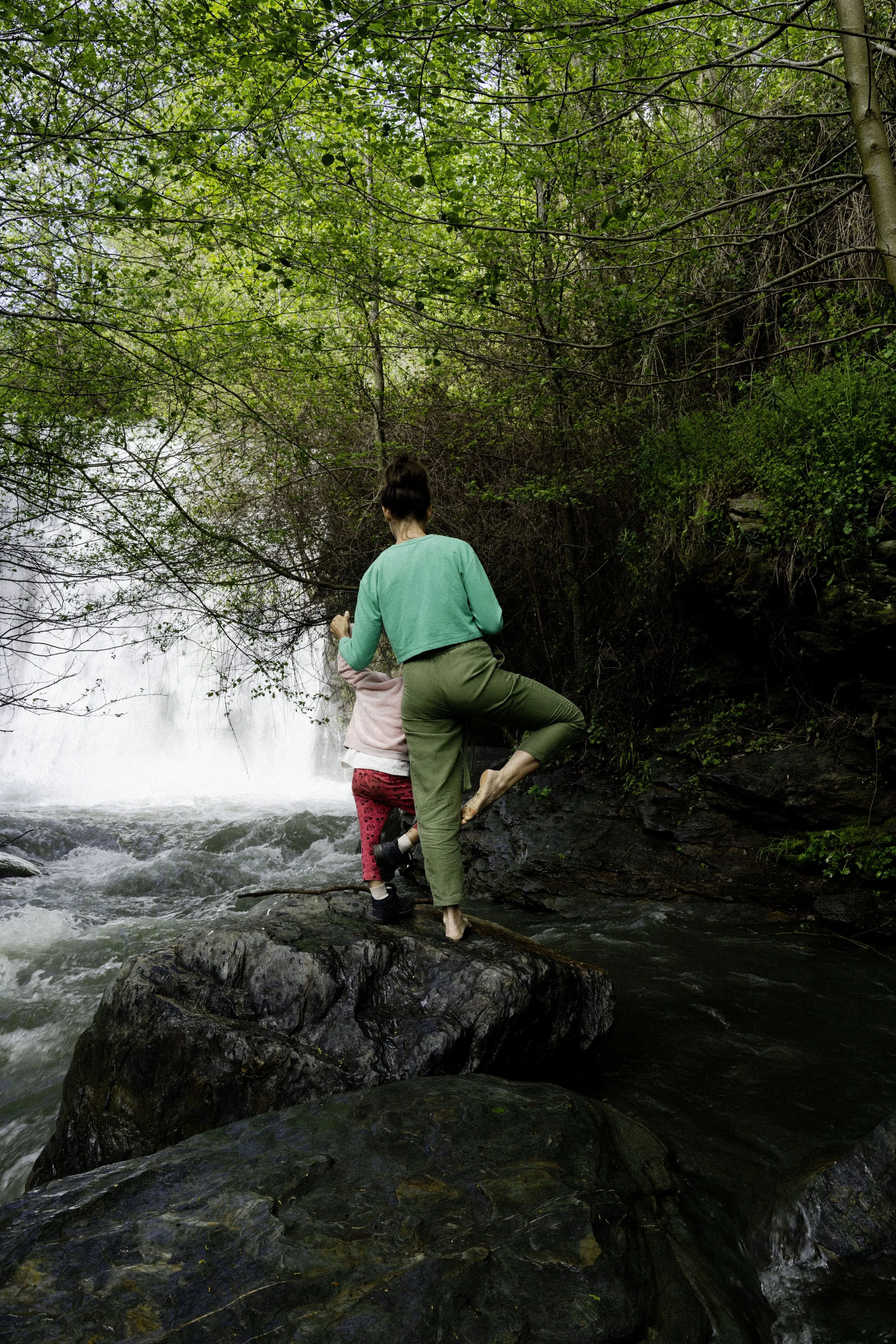
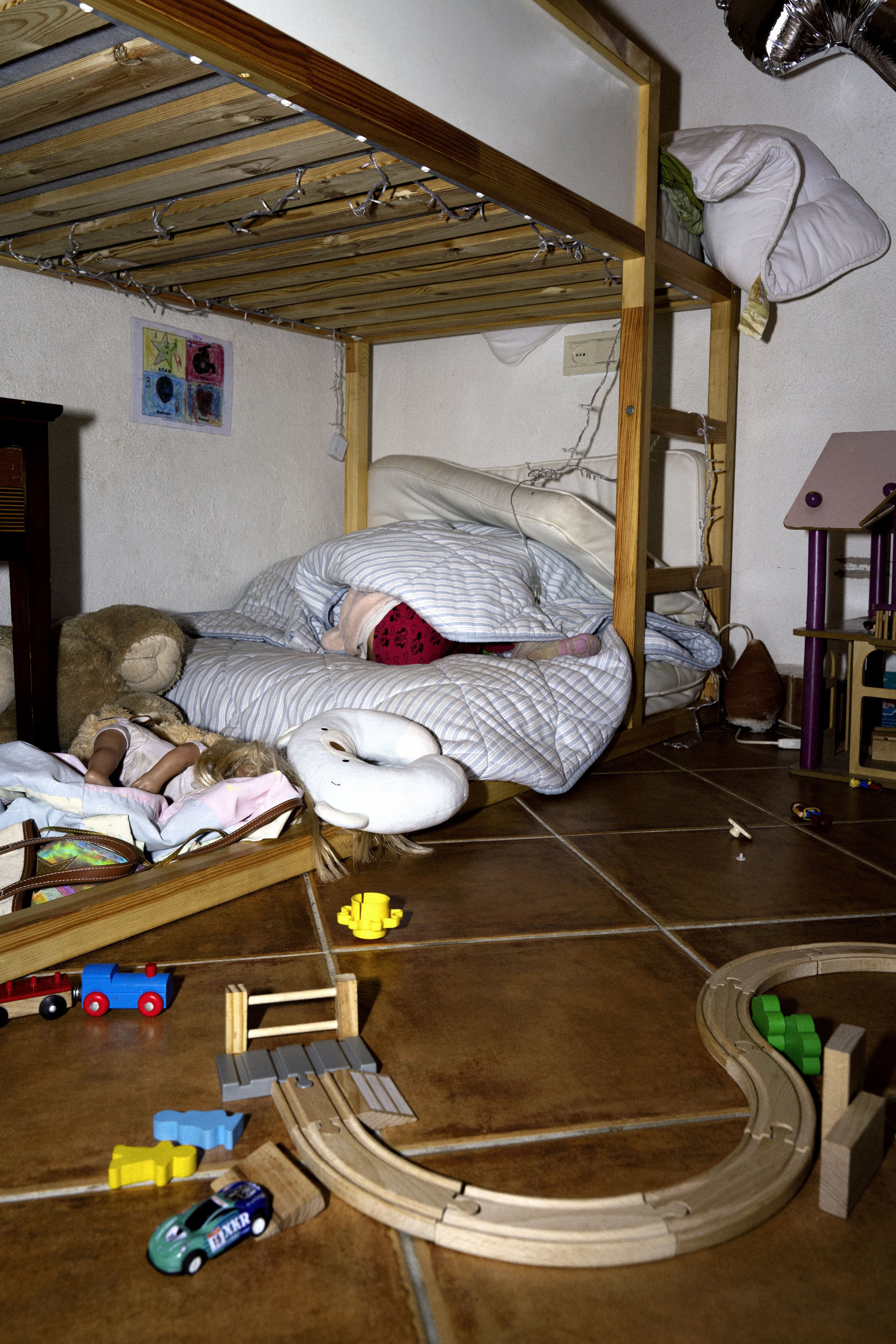
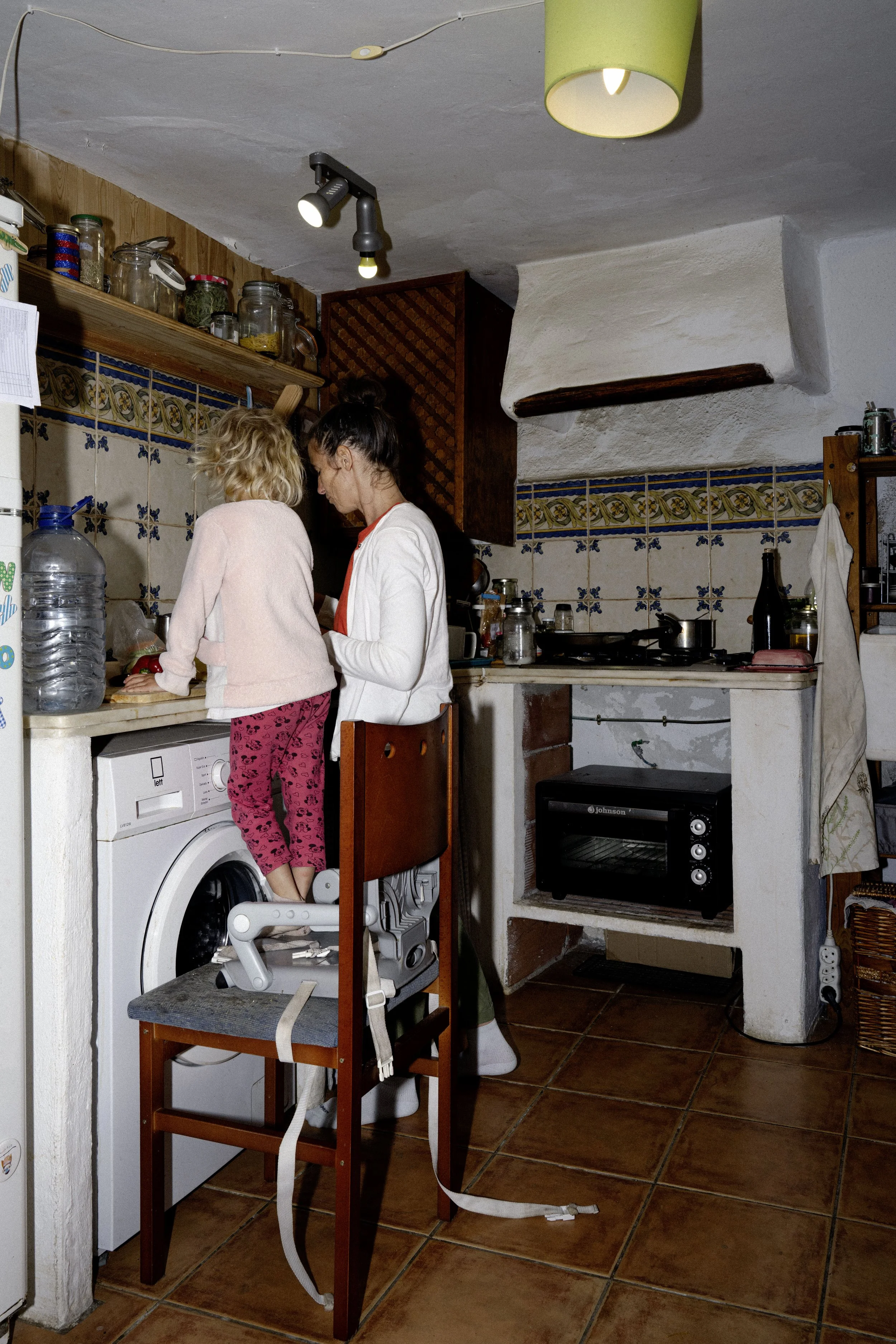
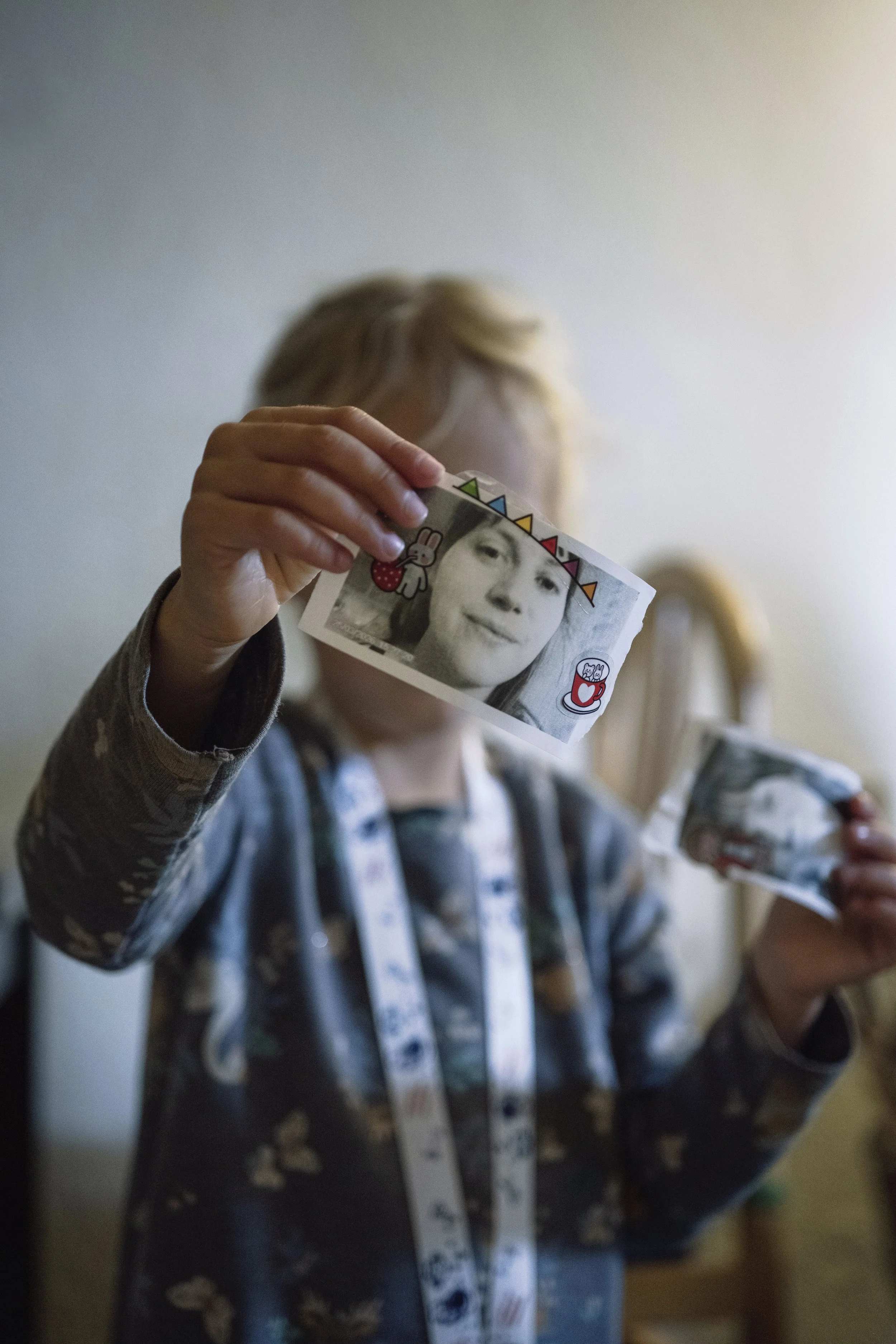
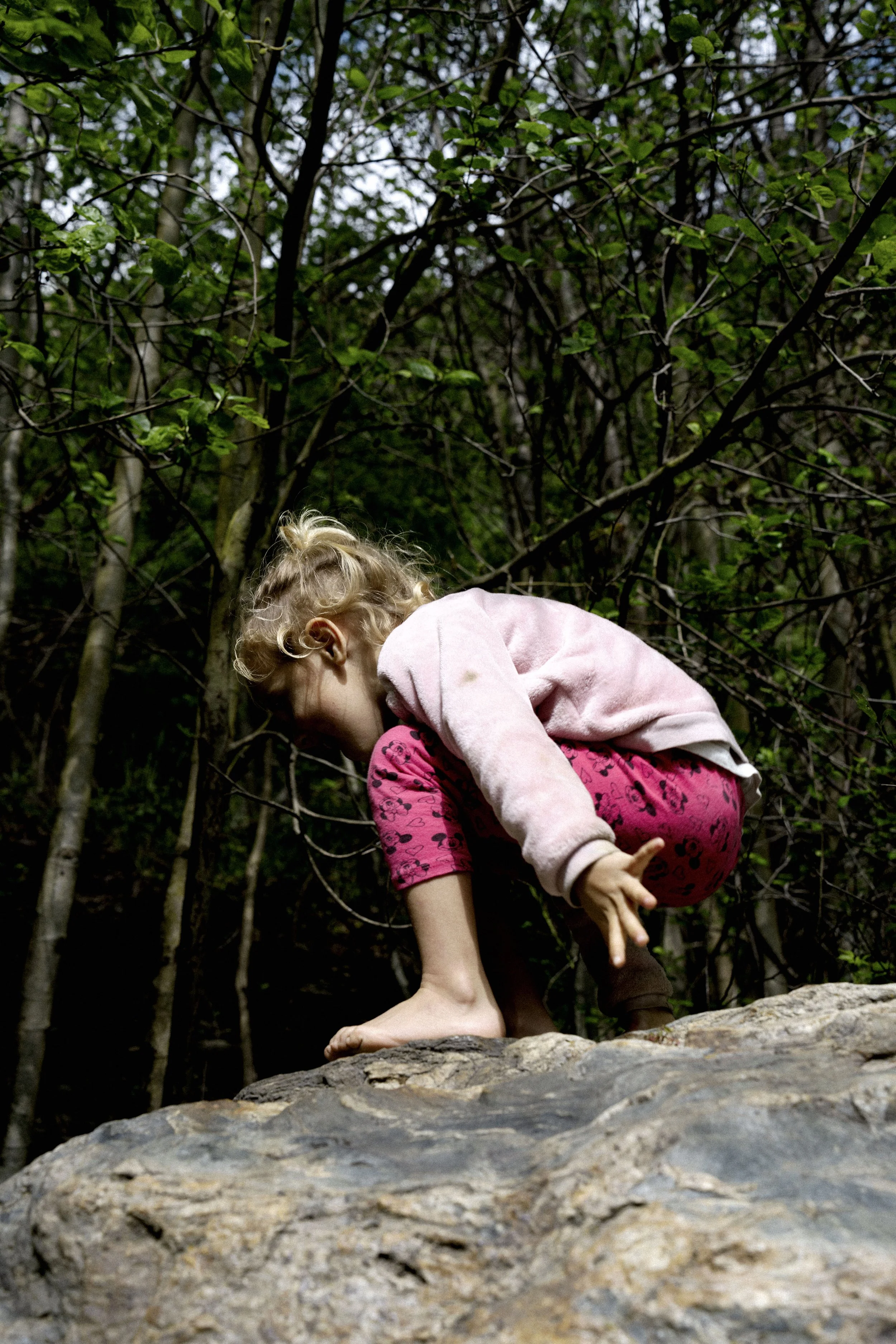
The project approaches Órgiva through the perspectives of women who have settled there in recent years and started families. At the heart of the series is a Hungarian-English family that has been living in Órgiva for the past ten years. The work focuses particularly on the Hungarian-born mother and her daughter, whose everyday lives, relationships, and connection to their surroundings form the foundation of the project.
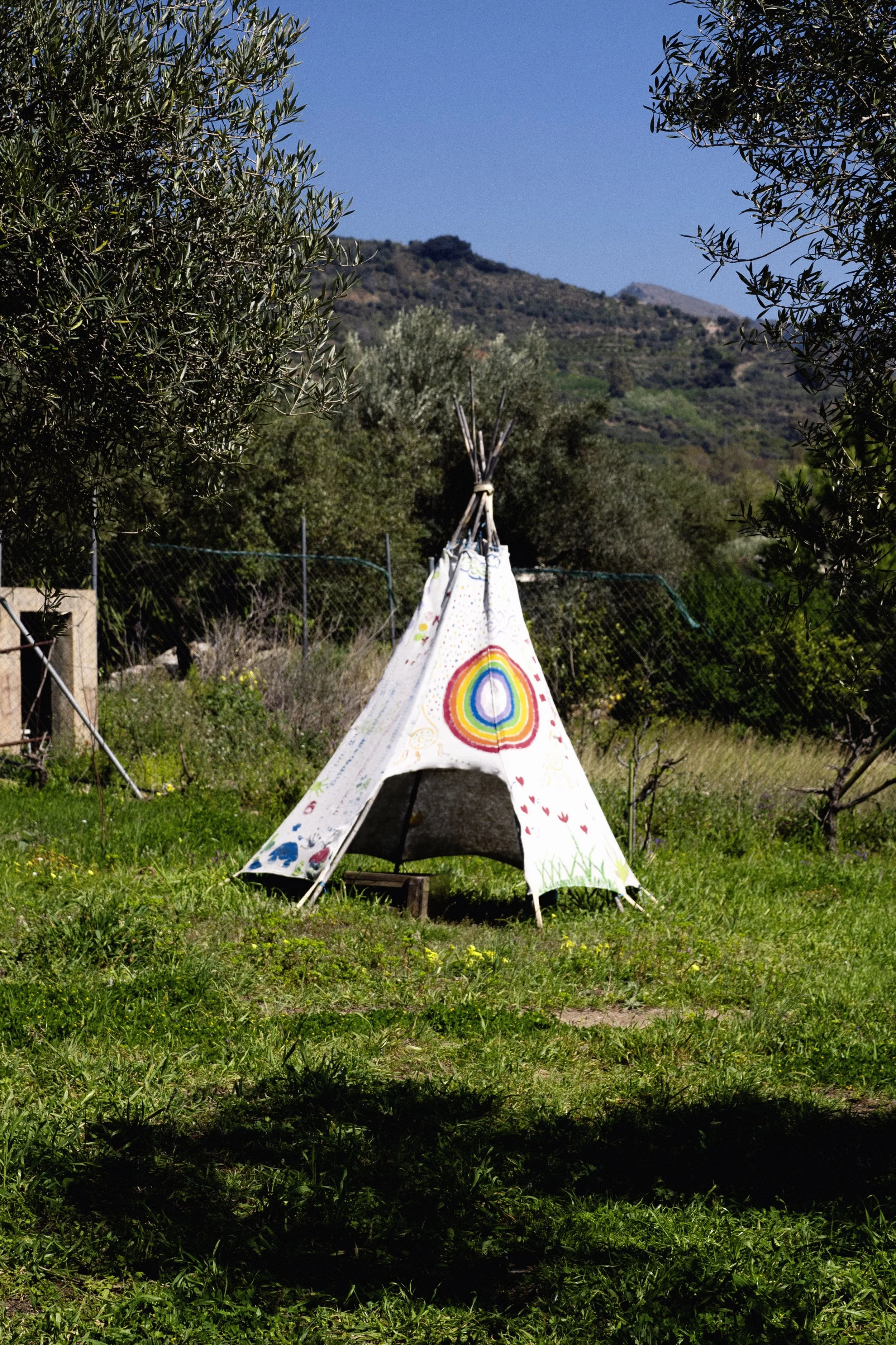
The series emerges from a long-term personal encounter and a collaborative process. I not only document the lives of the residents but also develop images together with them, photographs are shaped by closeness, trust, and mutual understanding. Through this work, I explore questions of belonging, self-identity, care, and a way of life guided more strongly by intuition, community, and a sense of connection with nature.
The series consists of 80 images, with 27 printed and framed. The work will be exhibited in September 2026 at SYAA Gallery in Budapest. Funded by National Cultural Fund of Hungary.